Ho Chi Minh Trail Motorbike: South to North Road Trip
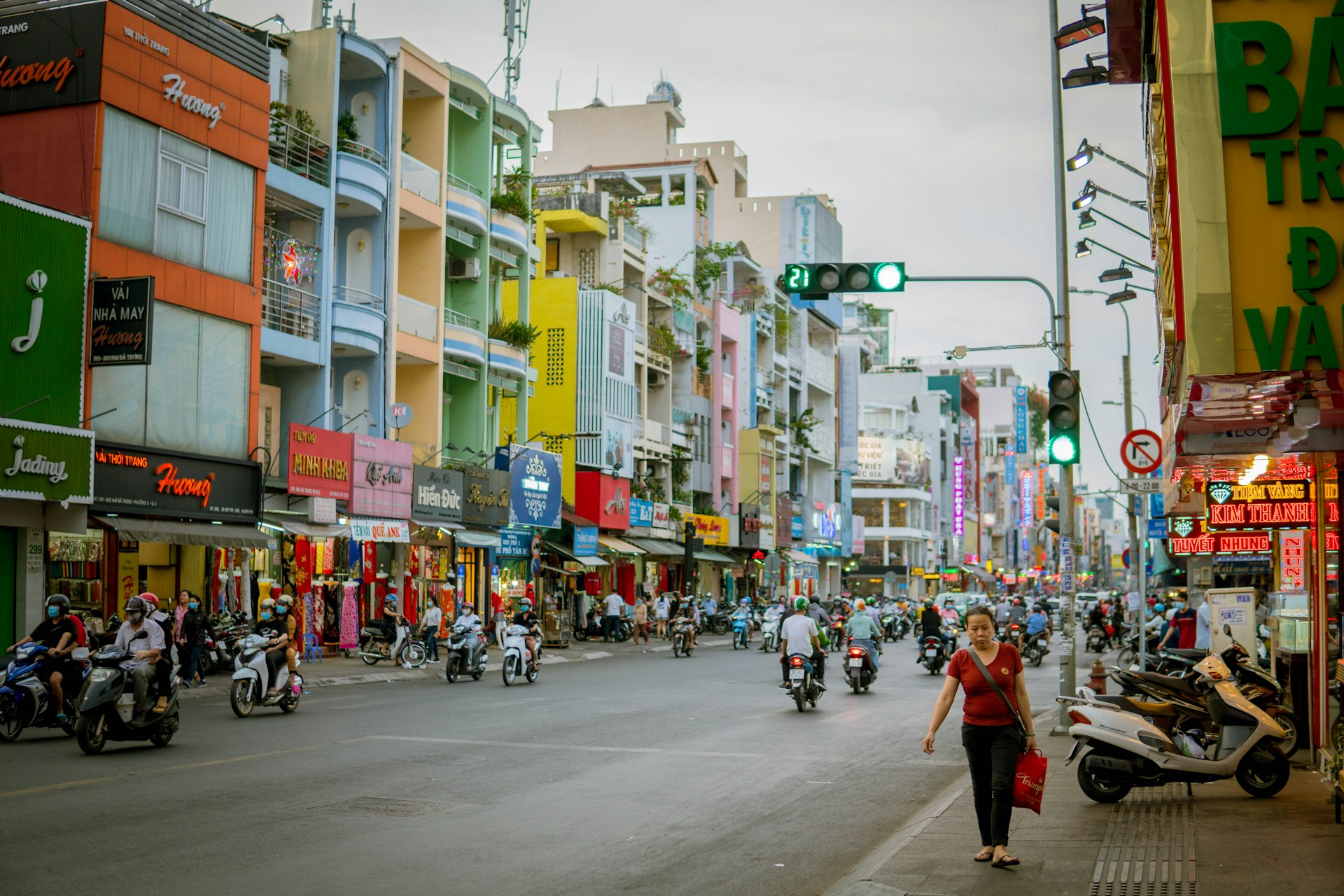
Few motorbike routes in Southeast Asia carry as much weight as the Ho Chi Minh Trail. Most people hear the name and picture jungle tracks, but the modern route is a paved national highway that many riders now run from south to north. If you are planning a Ho Chi Minh Trail motorbike trip, the questions that matter are practical: which road to take, what bike can handle it, how many days to allow, and what to expect as a Black rider on rural roads. This guide answers those questions with the route details we could verify, plus the trade-offs that catch first-time riders off guard.
Table of Contents
Quick Takeaways
Key Insight | Explanation |
|---|---|
Ride the paved road, not the legend | The modern Ho Chi Minh Road (National Route 14) is asphalt. The wartime trail was a network of jungle paths, so build your route on the highway and treat off-road detours as optional. |
Pick a middleweight adventure bike | Models such as the Honda CB500X, Honda Transalp 750, Yamaha Ténéré 700 or a BMW GS hold highway speeds and carry luggage on long mountain days. |
Expect fewer services on remote stretches | Roadside fuel is generally available, but on quieter sections like the Western Branch between Phong Nha and Khe Sanh, top up at every town you pass. |
Check your license before you leave Ho Chi Minh City | Confirm your license covers motorcycles and that your travel insurance explicitly covers riding. Fixing either problem after a crash is far harder. |
Ride shorter days than the map suggests | Mountain sections slow you down. A stretch that looks short on a map can take most of a day once curves, weather and photo stops are included. |
Time the north for cooler, drier weather | Late in the year the northern mountains are cool and sometimes misty, so pack layers and plan early starts before cloud builds. |
What the Ho Chi Minh Trail Is Today
The Ho Chi Minh Trail was a wartime logistics network of jungle paths and supply roads across Vietnam, Laos and Cambodia. One riders' guide puts the wartime network at roughly 20,000 km, which is why the name covers far more ground than any single road. For a rider, the useful part is what survived: much of that system is now the paved Ho Chi Minh Road, also called National Route 14.

The paved road runs more than 3,100 km, from Cao Bang in the north to Ca Mau in the south. Almost nobody rides the whole thing in one trip. The most common riding route is the stretch between Hanoi and Ho Chi Minh City, which the same guide puts at about 1,880 km, and that is the distance most riders should plan around.
Where the Historic Route Begins
The guide places the historic Km0 marker in Nghe An Province, and riders who care about the history often treat it as a symbolic starting point. In practice, it is not where most motorbike trips begin. Riders heading south to north start in Ho Chi Minh City, ride up through the central region, and finish in the north, so the hardest mountain sections come after you have built your confidence.
Treat the trail as history and the highway as your route. Riders who mix the two up usually end up on the wrong road with the wrong bike.
Pro tip: Download offline maps before you leave the city, and save the names of your next towns in Vietnamese as well as English. Signs outside the big cities are more often in Vietnamese only, and a town name you can read saves time.
Highway Riding Versus Off-Road Detours
One of the biggest misconceptions foreign riders have is that the whole route is a single dirt track through the jungle. In reality, you get two distinct riding experiences: smooth, sweeping asphalt on the national highway, or technical, rugged detours along historical supply paths. Most of your trip should be on the highway, and any detour should be a deliberate choice rather than an accident.
The highway is the easier and safer way to cover distance. The surface is smooth and the curves are long, so you can focus on traffic, weather and fuel instead of constant balance corrections. Traffic thins out once you leave the major city hubs, which means you can often ride long stretches without being squeezed between trucks.
The Western Branch from Phong Nha to Khe Sanh
The Western Branch, running from Phong Nha to Khe Sanh, is the stretch most riders remember. It is remote, with light traffic and wide views over karst scenery. The trade-off is services. Do not assume the next town has fuel, food and a mechanic, so check your range before each leg and leave a margin beyond what your planned stops require.
Lo Xo Pass and the Central Highlands
Lo Xo Pass is one of the legendary climbs riders mention in the Central Highlands. Mountain weather changes quickly, so a sunny morning can turn into cold rain by the afternoon. Pack a windproof layer, rain gear you can pull on fast, and gloves you can ride in when the temperature drops.
Off-road detours are where riders get hurt. The historical supply paths are not maintained roads, and the surface can change from firm gravel to loose stones or mud within a few hundred meters. If you want to try them, go with an experienced off-road rider or a local guide, and treat them as a half-day experiment rather than a core part of your route.
Choosing a Bike for a Long Trip
The bike you choose will shape the whole trip. The riding guide we checked points to middleweight and heavy adventure bikes as the best fit for this route, including the Honda CB500X, Honda Transalp 750, Yamaha Ténéré 700 and BMW GS series. These machines combine highway stability, upright seating for long days and enough power to pass trucks on mountain climbs without strain.
Why Small Scooters Struggle on This Route
Automatic scooters are the default rental in many cities, and they are fine for short trips. On a multi-day run with luggage, though, smaller engines have less power for steep grades, and lighter frames feel unsettled in strong crosswinds. The suspension is also rarely built for broken pavement, which matters when a truck passes too close at dusk.
Renting Versus Bringing Your Own Bike
Most riders on this route rent. Bringing your own bike means dealing with import rules, registration and shipping schedules, which rarely makes sense for a one-off trip. A rental from a reputable shop is the practical choice, and our motorbike rental guide covers how to check tires, brakes and papers before you sign.
Pro tip: Before you accept a bike, test the front and rear brakes on a slope, check the tire tread, and ask the shop what they will do if the bike breaks down in a town you have never heard of.
Planning the South to North Route
A south to north plan starts with the city, and the city is the part most riders underestimate. Ho Chi Minh City traffic is dense, and the first day is often the most tiring because you are fighting congestion while learning how the bike handles with luggage. Give yourself a slow first day and use it to get comfortable before the highway.

Starting in Ho Chi Minh City
Leave the city early, before the morning traffic builds. Our Ho Chi Minh City guide covers neighborhoods that work well as a base before departure and how to get out of the center without losing half a day to traffic. Ride out on a weekday if you can, since weekend traffic on the outskirts can be heavier.
Setting Daily Distances
Plan shorter riding days than your map suggests. Mountain sections slow you down, and a stretch that looks short can take most of a day once you factor in curves, weather and stops. Build in a rest day every few riding days, especially if you are carrying luggage or riding through heat.
Where to Sleep Along the Way
Guesthouses in smaller towns are where most riders spend their nights, and they vary widely in what they offer. Book ahead for weekends and holiday periods, and ask about secure parking for the bike before you unpack. Our guesthouse tips guide covers what to check before you commit.
Pro tip: Save each night's address in Vietnamese and keep a printed copy. Navigation apps sometimes send riders down unpaved shortcuts after dark, and a printed address helps when you need to ask for directions.
Comparing Riding Approaches
Three approaches cover most riders on this route. Each one trades cost, freedom and risk differently, and the right pick depends less on raw experience than on how much planning you want to do yourself.
Approach | Best For | Main Trade-off |
|---|---|---|
Self-guided with a rental bike | Experienced riders who want to set their own pace and stop wherever they like | You handle navigation, breakdowns and fuel planning alone, and mistakes on remote stretches are costly |
Guided group tour | First-time riders who want a support vehicle, a fixed route and company on the mountain sections | You ride someone else's schedule, and daily distances can be longer than you would choose |
Hybrid, with a local guide for the mountains | Riders who are confident on highways but want local knowledge for the Central Highlands and any off-road detours | Coordination takes effort, and you need to agree on pace and stopping points before you leave |
For a first long trip, we would start with the hybrid model. You keep control of the highway days, which are the bulk of the distance, and you hand the tricky mountain weather and off-road sections to someone who knows the route. That split also lowers the cost of a bad day, because a local guide can make the call to turn back when conditions change.
The self-guided approach suits riders who have already done long distances on a motorbike at home. It rewards good preparation and punishes improvisation, especially on the Western Branch, where help can be far away. If you choose this path, plan every fuel stop and keep a written list of mechanics and guesthouses along the way.
Paperwork, Licenses and Insurance
Paperwork is the part that can end a trip before it starts. Check the current entry rules in our Vietnam visa guide, then confirm what your riding license allows. Rules for foreign riders have changed over time, and enforcement on the road can be inconsistent, so do not rely on what a friend did a couple of years ago.
Checking Your Motorcycle License
Your license needs to cover motorcycles, and you should carry the original documents while riding. Keep copies of your passport and visa page separate from the originals, so a lost wallet does not turn into a bureaucratic emergency.
Insurance That Actually Covers Riding
Many standard travel insurance policies exclude motorcycle riding or limit it to certain engine sizes. Read the policy for engine capacity limits and check whether it covers injuries while riding a rented bike. If the answer is unclear, get written confirmation from the insurer before you leave.
Pro tip: Photograph your passport, license and insurance policy, and store the images in cloud storage. If the originals are lost, you can still show proof at a checkpoint or hospital.
Fuel, Breakdowns and Repairs
Breakdowns on this route are usually minor, but a small problem in a remote valley can cost you a full day. The riding guide we checked describes roadside fuel and services as a real strength of the paved highway, and that holds in busy stretches. The quieter sections need more planning, so treat that as your default.
Fuel Gaps on Remote Stretches
Top up whenever you pass a fuel stop with less than half a tank, and note the distance to the next town before you leave. Some riders carry a small spare fuel container on the Western Branch, but check local rules and your bike's manual first. Running dry on a mountain road is the most common preventable problem we see described by riders.
Mechanics and Spare Parts
Bigger towns have motorbike mechanics who handle most common repairs quickly and at low cost. Carry a puncture kit, a basic tool roll and your rental shop's emergency number. Ask the shop which towns on your route have dependable mechanics, because that answer is worth more than any generic checklist.
Best Time to Ride
Timing changes the experience more than most riders expect. Starting in late November, you will reach the north in the cooler, drier part of the year, when visibility on mountain roads is often better. Cold mornings and fog on high ground are common, so schedule your big climbs for late morning and early afternoon.

The highlands follow a different pattern, with a wetter season that can bring heavy rain and slippery surfaces. Expect rain on some days in any month, and build flexibility into your schedule so you can wait out a storm rather than ride through it.
Holidays and Tet
Tet, the Lunar New Year, usually falls in late January or February. Around Tet, buses fill, guesthouses raise prices and many businesses close for several days. If your route takes you through the north at that time, book beds and fuel stops early, and expect slower service at shops and mechanics.
Pro tip: Check the weather forecast for each mountain segment the night before you ride it, not just for your starting city. Conditions at 1,000 meters can differ sharply from those in the valley below.
Being a Black Rider on the Road
Being a Black rider on rural Vietnamese roads means you will often be the most visible person in a village. In smaller towns you may be one of very few foreign visitors, and you may be looked at more than you expect. Most of that attention is curiosity and friendliness, and a calm, polite response goes a long way.
Handling Stares and Photo Requests
Greet people first, smile, and keep photos brief. If someone asks to take a picture with you, saying yes is usually fine, and a polite refusal is also acceptable. Keep interactions short when you are tired after a long ride, and do not let curiosity turn into pressure.
Document Checks and Roadside Stops
Police and traffic checks happen on the highway and in towns. Keep your license, passport copy and bike papers in one accessible place, and stay calm and courteous during any check. For broader guidance on personal safety, our Vietnam safety guide covers what to do when a situation feels wrong.
Frequently Asked Questions
How many days does a south to north Ho Chi Minh Trail ride take?
The common Hanoi to Ho Chi Minh City route is about 1,880 km according to the riding guide we checked. Plan at least two weeks for a relaxed pace with stops, and add more time if you want to include detours or rest days.
Do I need a motorcycle license to ride the Ho Chi Minh Road?
Yes. Confirm the current requirement before you leave, carry your license with the motorcycle category visible, and make sure your insurance covers the riding you plan to do.
Is a scooter enough for this route?
For a single city day, yes. For a multi-day run with luggage, a middleweight adventure bike is the better choice because it handles highway speeds, mountain grades and crosswinds with more stability.
Can I ride the off-road sections without experience?
Not recommended. The historical supply paths are not maintained, and the surface can change quickly. Go with an experienced off-road rider or a local guide, and keep detours short.
Is the Ho Chi Minh Trail safe for Black travelers?
Safety depends more on preparation than on identity. Ride in daylight where you can, keep your documents accessible, and expect curiosity in rural areas, which is usually friendly. Our safety guide covers the situations that matter most.
Tell us in one line which section of this route you have already ridden, or which one worries you most before you start.
We would love your feedback and any insights you would share with others. What perspective would you add?


Comments