Grab vs Taxi vs Motorbike in Vietnam: Real Costs Compared
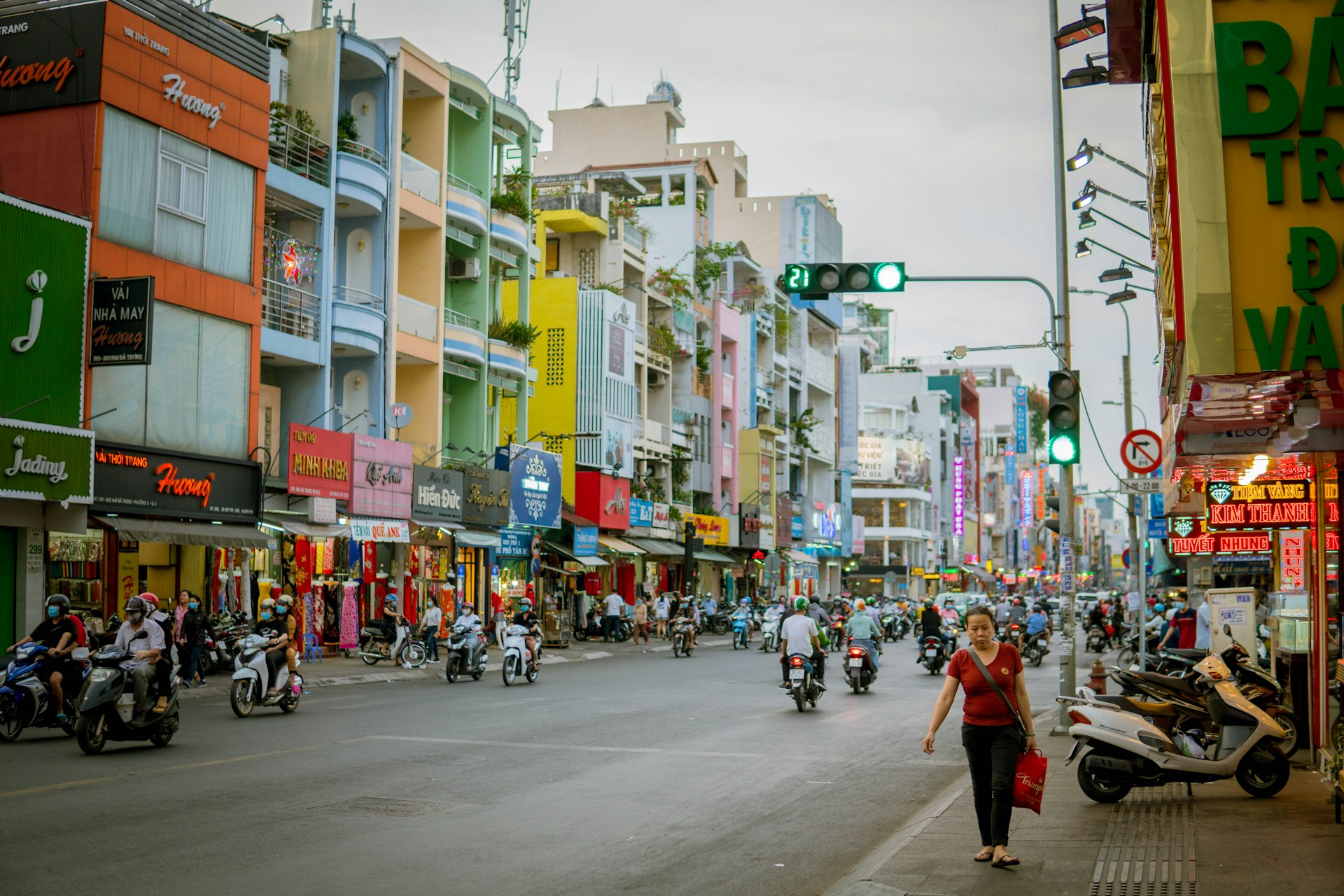
If you are planning a trip to Vietnam, getting around will cost you more in confusion than in money unless you plan it. Vietnam Grab vs taxi Black travelers is a search many people run after landing, tired, holding a SIM card they just bought, and standing next to drivers calling out prices. The three realistic options are a ride-hailing app, a metered taxi, and a rented motorbike, and each has a different cost structure. This guide breaks down what each one actually costs once you add tips, waiting time, deposits, and the small extras that never appear in the headline number.
Table of Contents
Quick Takeaways
Key Insight | Explanation |
|---|---|
Book by app whenever the trip is short and solo | The fare is shown before you confirm, which removes most of the haggling you would face at a curbside taxi queue. |
Count your total trips for the day before choosing a motorbike | Several app rides in one area can add up faster than a rental, but a single cross-town trip rarely justifies renting a bike. |
Tipping is optional, not expected | Forum users describe tipping as far less customary than in North America, and the Grab app lets you add a tip digitally. |
Insist the taxi meter runs from the first second | A flat fare quoted to a tourist is often higher than the meter would have been for the same route. |
A motorbike rental costs more than the daily rate | Deposits, fuel, parking, and damage disputes at return can erase the saving you expected. |
Carry small dong notes and keep payment records | Some drivers cannot break large notes, and an app or card payment is far easier to dispute than cash handed over with no receipt. |
How the Three Options Actually Price Out
Most cost comparisons stop at the sticker price, which is the fastest way to underestimate what you will spend. A ride-hailing fare, a metered taxi fare, and a rented motorbike each have a base charge, a variable charge, and a set of extras that depend on how you use them. The base charge is the part everyone quotes. The extras are where the real difference between the three options lives.
The model we use when advising readers is simple. Total cost equals the trip fare, plus waiting time, plus any tip you choose to give, plus the overhead of getting the option ready to use. For an app ride, that overhead is close to zero because the app holds your route and your payment. For a taxi, the overhead is the time spent negotiating or waiting for a driver who will actually run the meter. For a motorbike, the overhead is the deposit, fuel, parking, and the risk of a damage dispute when you return it.

Why Trip-by-Trip Math Misleads
A single short ride looks cheap in any option, and that is exactly why people choose badly. Ten short app rides spread across a week can cost more than one motorbike rental if you move around the same district every day. A motorbike looks expensive on paper, yet a day with errands, a market visit, and a second neighborhood can make it the better value for the distance you actually cover. The break-even point depends on how many separate trips you make, not on the price of any one trip.
Think of each option as a bundle. An app ride bundles the fare, the route record, and the payment in one step. A taxi bundles the meter with your ability to negotiate and to read the route. A motorbike bundles the rental with every responsibility that comes after pickup. Once you see the bundles, the cheapest option for your day becomes much easier to spot.
Grab in Vietnam: Fares, Tipping and Payment
Grab is the default for many visitors because it shows you a price before you get in the car. That single fact removes most of the friction you feel at a roadside taxi queue. In a Vietnam travel Facebook group, one member recently asked whether anyone uses Grab and what they use when they don't, which tells you that plenty of travelers are still working out their options once they arrive. Local alternatives such as XanhSM also run ride-hailing services, so it is worth checking which app has the best coverage around your hotel before you land.
Reading the Fare Estimate Before You Confirm
Look at the estimate, then check the pickup pin on the map. A pin placed on the wrong side of a busy road can add a detour and a higher fare. Confirm the vehicle type too, because a motorbike option and a car option sit at different price points for the same route. An estimate is not a promise, but a large gap between the estimate and the final price is a reason to ask the driver before the ride starts, not after you arrive.
Cancellations are the other practical issue. If a driver cancels, rebook immediately instead of negotiating a cash fare with the driver who just backed out. Keep a screenshot of the original estimate so you have a record if the final charge looks wrong.
Tipping and Cash Payment
Tipping is optional. A Rick Steves travel forum thread on the Grab app in Vietnam notes that tipping is not as customary or mandatory as in North America, and that you can add a tip through the app itself. In practice, a tip for a driver who handled heavy luggage or waited through a long jam is appreciated, but there is no standard percentage. Carry small dong notes, because a driver who cannot break a large bill will not be able to give you change. For a clear breakdown of notes and exchange, our practical money guide covers what to carry.
The cheapest ride is the one whose price you saw before you got in.
Pro tip: Screenshot the fare estimate and the driver's plate number before you confirm. If the final charge does not match, that record is what support will ask you for first.
Taxis: Meter Rules and Where Overcharging Happens
A metered taxi rewards patience and punishes assumptions. The price is set by the meter rather than by a number the driver picks in the moment, so your job is to make sure the meter is running from the first second. The most common overcharge is not a dramatic scam. It is a flat fare quoted to a tourist who did not ask for the meter, and that fare is often higher than the meter would have been on the same route.
Insisting on the Meter
Before you get in, ask the driver to start the meter. If the driver refuses, says it is broken, or quotes a fixed price, get out and take another car. Keep the route open on your phone map so you can see whether the driver takes an unnecessary loop, which is one of the most common ways a metered ride grows. A metered taxi with a sensible route is a fair option, but it is not guaranteed to match an app estimate, so compare the two before you choose.
Pickups at Busy Arrival Points
At busy arrival points, the drivers who approach you first are not always the ones running meters. Walk past the first offers, find the official taxi queue or the marked stand, and compare the meter with an app estimate before accepting a ride. Stay with your luggage and confirm that the car is the one you were directed to before you load it. If the driver changes the vehicle or the pickup spot, treat that as a reason to walk away.
Pro tip: Note the company name on the car door or roof light, along with any driver ID displayed in the cabin. If a dispute happens after you get out, those details are what you will need to report it.
Renting a Motorbike: The Real Cost Beyond the Daily Rate
A rented motorbike can be the most economical option for travelers who need to move around a lot, but only if you count every line item. The daily rate is the number people compare, and it is the least important number once you add a deposit, fuel, parking, a helmet you may have to pay for, and the risk that a dispute over a scratch eats the money you planned to save. Renters who skip these questions often end up paying more than the app would have cost them.
The Costs That Sit Outside the Daily Rate
Ask the rental shop three questions before you hand over any money: what is the deposit and how is it returned, what happens if the bike is damaged, and is fuel included. Photograph the bike from all sides and record the odometer and fuel gauge at pickup. In practice, the disputes that cost renters the most are rarely about major crashes. They are about small marks the shop says were already there, and you cannot disprove that unless you photographed them first.

When a Motorbike Beats an App
A motorbike makes sense when your day has several stops in the same area, when you want to reach places that are awkward to book by app, or when you are staying long enough that a bike becomes part of your routine. A short app ride is usually the better choice for a single trip across town, especially if you do not want to ride in heavy traffic after dark. Read our motorbike rental guide for Black travelers before you commit, especially for the paperwork and insurance questions to ask a shop.
Pro tip: Run a two-day trial on the app before you decide. Log every separate ride, what it cost, and where you went. That list shows you exactly how many trips a rental would need to cover to pay off.
Side-by-Side Cost Comparison
The table below compares the three options by where the real cost comes from and where each one fits best. Use it as a checklist rather than a price list, because fares and rental rates change and the structure of the cost matters more than any single figure.
Option | Where the Real Cost Comes From | Best Fit |
|---|---|---|
Grab (app ride) | The estimate shown before booking, an optional tip, and any extra charges the app displays before you confirm | Single trips, late nights, and any trip where you want the price recorded before you get in |
Metered taxi | The meter fare, plus any extras you agree to, plus time lost negotiating at a stand or waiting for a driver to run the meter | Short trips when the meter is running and when your app is not working or has no nearby drivers |
Rented motorbike | The daily rate, plus the deposit, fuel, parking, and any damage dispute at return | Full days with several stops in one area, or stays long enough to make a rental part of your routine |
A Worked Example With Illustrative Numbers
Suppose you have three separate trips in one day, and the app quotes each one at 60,000 dong. Those figures are illustrative, not real fares, but the math holds. Three app rides total 180,000 dong before any tips. If a motorbike rental costs more per day but covers all three trips plus a stop at a market, the rental can come out ahead once you add fuel and parking. Run the same calculation with the real estimates from your own app on your own route.
The point of the example is the habit of counting trips rather than guessing. Most of the poor transport decisions we see come from comparing the first price a traveler notices, not the total cost of the day. Writing the trips down takes five minutes and usually settles the question.
Which Option Fits Your Trip
Stop trying to pick one transport method for your entire stay. A better approach is to match each leg of your trip to the option with the clearest cost, then use the rest of the time as it suits you. An app for the late-night return to your hotel, a taxi as a backup when the app fails, and a motorbike for the day you want to explore on your own schedule is a combination many travelers settle into after the first week.
Short City Trips and Late Nights
For a single trip after dark, the app wins on predictability. You see the route, the estimate, and the driver's details before you get in, and you can share your trip with someone at home. Save a local taxi number in your phone in case your data drops or the app shows no drivers near you.
Staying Longer Than a Few Weeks
If you are relocating or staying for a month or more, the calculation changes. Your routine becomes predictable, which makes a bike or a regular app habit cheaper than improvising every day. Once you have a neighborhood in mind, our guide to renting an apartment in Saigon and Hanoi can help you choose a location with a short commute, which often matters more than the transport choice itself.
Safety, Paperwork and Hidden Costs
Transport costs are not only about money. A cheap ride that puts you in an unsafe situation, or a rental that leaves you without the right paperwork, is the most expensive choice you can make. Before you travel, read our safety guide for Black travelers and confirm your entry details in the visa guide, since a visa or documentation issue can turn a simple trip into a costly problem.

Documents to Carry
Carry your passport or a clear copy, your home driving licence, and any international permit your rental shop asks for. Keep digital copies on your phone and a paper copy in your bag. Confirm the current licence requirement with the shop before you ride, because rules and enforcement can change and this article is not a legal reference.
Insurance and Damage Disputes
Ask what your rental insurance covers and what it excludes before you sign anything. Take timestamped photos at pickup and drop-off, and do not accept a verbal agreement about damage. For app rides, your exposure is lower, but if you leave an item in a car, report it through the app right away, because the trip details are what help the support team find the driver.
Pro tip: Pay in a way that leaves a record. An app payment or a card transaction is much easier to dispute than cash handed over with no receipt, so use cash for small tips and the app for the fare.
Frequently Asked Questions
Is Grab cheaper than a taxi in Vietnam?
It depends on the route, the time of day, and how long you wait. Compare the app estimate with the meter fare for the same trip before you decide, and do not assume either option wins every time.
Should I tip a Grab driver?
Tipping is optional. Forum users describe it as far less customary than in North America, and the app lets you add a tip digitally. A tip is a reasonable thank you for heavy luggage or a long wait, but no standard amount is expected.
Is it safe for Black travelers to use Grab or metered taxis?
Safety depends on your route, your timing, and your habits more than on the transport type alone. Confirm the plate number before you get in, share your trip with someone at home, and read our safety guide for more detail on specific situations.
Do I need a special licence to rent a motorbike?
Requirements can change, so confirm the current rule with the rental shop and your own licence provider before you ride. Carry your original documents with you, because a missing document can make a minor incident much more expensive.
Is renting a motorbike cheaper than using apps for a full month?
It can be, if you ride every day and cover several trips in the same area. Add the deposit, fuel, parking, and the risk of a damage dispute to the daily rate, then compare the total with your real app spending for the same month.
Should I carry cash or rely on a card for transport?
Carry small dong notes for drivers who cannot make change, and use an app or card for anything that needs a record. Keeping the two separate makes disputes easier to resolve.
Which option ended up costing you less than you expected, and what would you do differently next time?


Comments