Vietnam Motorbike Rental Guide for Black Travelers
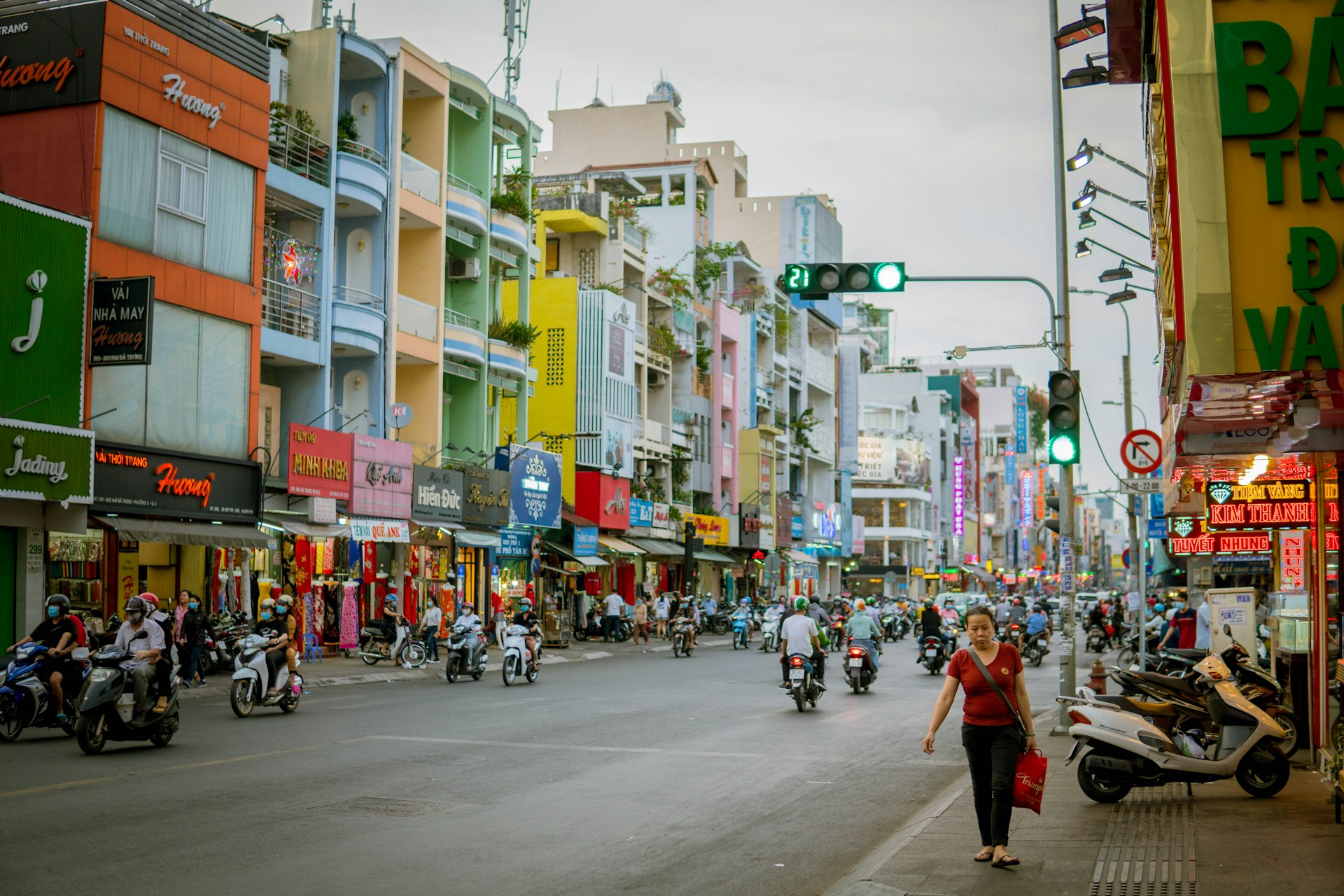
Vietnam motorbike rental is the most flexible way to explore the country, and it is also the quickest way to end up in a bad situation if you skip the homework. Scooters and semi-automatic bikes are on nearly every street in Hanoi, and many shops will hand you keys for a few days with little more than a passport and a deposit. For Black travelers, the paperwork, roadside document checks, and the attention you may draw in smaller towns all deserve a plan before you ride. This guide covers what to check, what to skip, and how to ride with confidence.
Table of Contents
Quick Takeaways
Key Insight | Explanation |
|---|---|
Confirm your license before you book | Check with the authority that issued your license and with your insurer. A shop agreeing to rent to you does not change what applies on the road. |
Test the specific bike, not the model | Start it cold, check the brakes, lights, horn, and tires, and ask for the exact machine you will ride away on. |
Start with an automatic if you are new to traffic | Semi-automatic gears add a clutch task at the moment intersections are most unpredictable. |
Ride the north in the shoulder season | One regional guide puts the best window for Hanoi and the north at September to November and March to April. |
Carry copies, and keep originals secure | Photograph your license, passport page, and rental agreement, and store them where you can open them offline. |
Document every existing mark in writing | Photograph scratches and dents with timestamps and have the owner note them on the agreement. |
Book one-way drop-offs early | Ask about drop-off fees, return transport, and breakdown support before you commit to a route. |
Is a Vietnam Motorbike Rental Right for You?
A rented motorbike suits travelers who are comfortable on two wheels, can handle stop-and-go traffic, and want to set their own pace. It works especially well for a loop through the north, where buses and tours cannot easily stop at every village. If you have never ridden anything with gears, or you have not ridden in years, a few days of practice in a quiet area will teach you more than any guide.

Who benefits most
Travelers who plan to stay outside the core tourist routes usually get the most out of a bike. Once you leave the main cities, public transport can be slow, infrequent, or hard to schedule around, and a bike gives you control over timing. Solo travelers and small groups who split costs also tend to find the math works in their favor.
Compare the daily rental cost against the price of a driver and transfers for the same route, not against a single bus ticket. That comparison is where most people get the answer right. A bike is often the cheapest way to cover real distance, but only if you ride it within your limits.
When a driver or bus is the smarter call
Skip the bike if you are arriving in Hanoi for the first time after a long flight, have limited sleep, or are traveling with someone who gets anxious on the road. Dense traffic at intersections is where new riders get hurt most often. A booked car transfer for your first day or two gives you time to learn the city before you take on its streets alone.
Licenses, Insurance, and Paperwork
The license question is where most trips go wrong. Vietnamese traffic rules require riders to hold a valid motorcycle license, and the license you carry from home may not cover the engine size or the legal status you need. Before you book, confirm with the authority that issued your license and with your travel insurer what they accept, because rules and enforcement can change.
The license question
Many travelers obtain a Vietnamese motorcycle license or an international permit recognized in Vietnam before they arrive, and they carry the original alongside their home license. Rental shops sometimes ask to see a license, but a shop's willingness to rent to you does not make you legally covered on the road. A police officer at a checkpoint will check your papers regardless of what the shop told you.
Pro tip: Save a photo of your license, passport page, and rental agreement in a cloud folder you can open offline. If a checkpoint stop turns into a dispute, you want proof you can show within seconds.
Insurance you can actually use
Travel insurance policies often exclude motorbike accidents, or they pay out only when you are riding a bike and holding the license class the policy requires. Read the motorbike exclusions, ask for the wording in writing, and check whether the policy names a specific license. If the answer is unclear, assume you are uninsured until a representative confirms otherwise in writing.
Rental insurance from the shop is usually thinner than it sounds. Ask what the deposit covers, how much you would owe in damage, and whether theft is included. Get those answers in writing, even if it is just a message on your phone.
Choosing the Bike and Testing It Before You Pay
The bike you choose matters as much as the shop you choose it from. A reliable machine with working brakes and tires that still have tread will save you more trouble than a cheaper option with a sticky throttle. Pick the engine size and transmission type based on your riding experience, your route, and whether you will carry luggage.
Automatic versus semi-automatic
Automatic scooters are the sensible default for most first-time riders. Semi-automatic bikes, which have a clutch and a manual gear lever, give you more control on hills and in some conditions, but they add a coordination task at the exact moment traffic is most unpredictable. A solo traveler's thread on Reddit notes that both semi-automatic and fully automatic scooters are widely available for hire, so you can choose based on your skills rather than whatever is on the first shop's lot.
The inspection you can finish in ten minutes
Before you pay, test the bike in the shop yard. Start it cold, check the horn, headlight, indicators, and brake levers, and ride a short loop if the owner allows it. Look at tire tread, chain tension, mirrors, and any fluid leaking under the engine. A top-five rules guide for foreign renters from BMTravelAdv lists testing the bike's quality before renting, and that step is worth building into your routine.
The cheapest bike is rarely the one that costs you least. The real cost shows up after a breakdown on a highway shoulder.
Pro tip: Ask the owner to write down any existing damage on the rental agreement and initial it. A verbal "it's fine" is not evidence when a deposit is on the line.
Routes, Road Conditions, and One-Way Trips
Timing your ride matters as much as the route. One regional guide to motorcycle rental and tours puts the best window for Hanoi at September to November, and again in March and April. November 2026 is still inside that window, which makes it a practical month for the north, though mountain weather can shift quickly.

Starting in Hanoi
Hanoi has the steepest learning curve in the country, so plan a few days of short rides before you head out of the city. Streets in and around the old quarter are narrow, crowded, and lined with parked scooters. Ride during quieter hours, and avoid your first ride at rush hour.
Heading north toward Ha Giang
The northern loop toward Ha Giang is the reason many travelers rent a bike in the first place. Mountain passes, steep switchbacks, and morning fog make it a different skill set from city riding. A common mistake is treating the first mountain day as a test of nerve. Keep your first climb short, fuel up before the high roads, and stop often to check tires and brakes, which take a beating on steep descents.
One-way rentals and drop-off planning
One-way hire is available, and traveler reviews of operators describe collecting a bike in Hanoi and returning it elsewhere. Ask in advance whether drop-off fees apply, who covers the return trip, and what happens if the bike breaks down between cities. Book your onward bus or train before you leave Hanoi, not after you have already started riding.
Where to Rent: Comparing Your Options
Most travelers rent from three kinds of sources: independent street shops, accommodations that arrange bikes, and operators that bundle rental with guided tours. Each has trade-offs in price, paperwork, and support when something goes wrong. Choose based on how much help you will need on the road, not on the lowest daily rate.
Rental option | Where it works well | What to watch for |
|---|---|---|
Independent street shops | Short city rentals and flexible pickup times | Inconsistent bike condition, unclear insurance, and weak support on the road |
Accommodation-arranged bikes | Convenient first-day pickup and local advice | Markups, and the staff member who helped you may not be the one who answers when something breaks |
Operators bundling rental with tours or one-way service | Multi-day northern routes, one-way trips, and support on mountain roads | Higher prices, and strict rules about routes and minimum riding ability |
Street shops and the bike you actually get
Street shops offer the lowest rates and the most room to negotiate, but the bike you see in the front window may not be the one you ride away on. Ask to choose from the fleet and test the specific machine. If the owner resists a test ride, walk away.
Bundled operators and one-way service
Operators that combine rental with guided routes cost more, but they handle navigation, return logistics, and repairs in remote areas. For a first mountain trip, that support can outweigh the price difference. Ask who responds at 9 p.m. when a headlight fails, and get a phone number that someone actually answers.
Riding as a Black Traveler in Vietnam
Most of the rules that matter for every rider matter for Black travelers too, but a few situations deserve extra preparation. Document checks, roadside questions, and public attention can all shift from routine to uncomfortable without warning. Knowing what to expect and how to respond calmly turns a stressful stop into a short one.
Document checks and roadside stops
Police checkpoints are common on the main routes, including the northern roads. Officers may ask for your license, passport, and rental papers. Check what officials typically ask for and carry the originals they expect, while keeping copies of everything else in a separate bag. If you feel singled out, ask for a clear reason for the stop and request an official receipt for any fine.
Attention, crowds, and staying grounded
In busy cities, you will be one of many foreigners on a bike, and most attention is about the bike rather than you. In smaller towns, you may draw stares, questions, or photo requests, which is usually curiosity rather than hostility. Keep a friendly tone, plan rest stops in places where you feel comfortable, and share your daily route with someone back home. If something feels wrong, leave the situation rather than arguing on the roadside.
Gear, Health, and Daily Riding Habits
A good ride depends on unglamorous details: a helmet that fits, clothing that protects against sun and road grit, and a schedule that does not push you past your limit. Advice from solo riders often repeats the same basics, including sunblock and a valid license. Those basics are worth more than any gadget you could buy.

Helmets, clothing, and sun
Bring your own helmet if you can, because rental helmets are often worn and sized loosely. Long sleeves, closed shoes, and gloves protect against sun and road rash. Sunscreen matters because you will spend hours with your arms and neck exposed, even on cloudy days.
Fuel, parking, and the ride back
Fuel stops are common on main roads but can be sparse in mountain areas, so fill up before you leave towns. Park in guarded lots at night, lock the steering, and use a chain where possible. End each day with a quick check of brakes, tires, and lights so tomorrow's ride starts on a machine you know is sound.
Pro tip: Ride in daylight whenever you can, especially on mountain routes. Potholes, livestock, and fog are harder to spot after dark, and visibility drops quickly once the sun goes down.
Frequently Asked Questions
Do I need a motorcycle license to rent a bike in Vietnam?
Yes. You should hold a valid motorcycle license that Vietnamese authorities recognize. Check the current requirement with your issuing authority and your insurer before you travel, because a shop agreeing to rent to you does not change what the law requires on the road.
Is an automatic scooter safer than a semi-automatic bike for beginners?
For most first-time riders, yes. An automatic removes the clutch and gear shifting from your workload, which leaves more attention for traffic at intersections. Switch to a semi-automatic only if you already ride manual bikes comfortably.
What is the best time of year to rent a motorbike in Vietnam?
For Hanoi and the north, one regional guide points to September through November and March through April. November 2026 falls inside that window, so it is a practical month for a northern loop, though mountain weather can still change quickly.
What should I check before signing a rental agreement?
Test the brakes, lights, horn, and tires, and photograph every existing mark with timestamps. Ask the owner to note any damage on the agreement and initial it. Confirm what the deposit covers, what you would owe for damage, and what happens if the bike is stolen or breaks down.
How should Black travelers handle a police stop?
Stay calm, be polite, and ask for a clear reason for the stop. Have your license and passport information ready, and ask for an official receipt for any fine. If you feel uncomfortable, stay in a public place and contact your accommodation or rental operator before agreeing to anything beyond the required paperwork.
Have you rented a motorbike in Vietnam, or are you still deciding, and what surprised you most about the process?


Comments