Vietnam Train Travel Guide: Reunification Express Tips
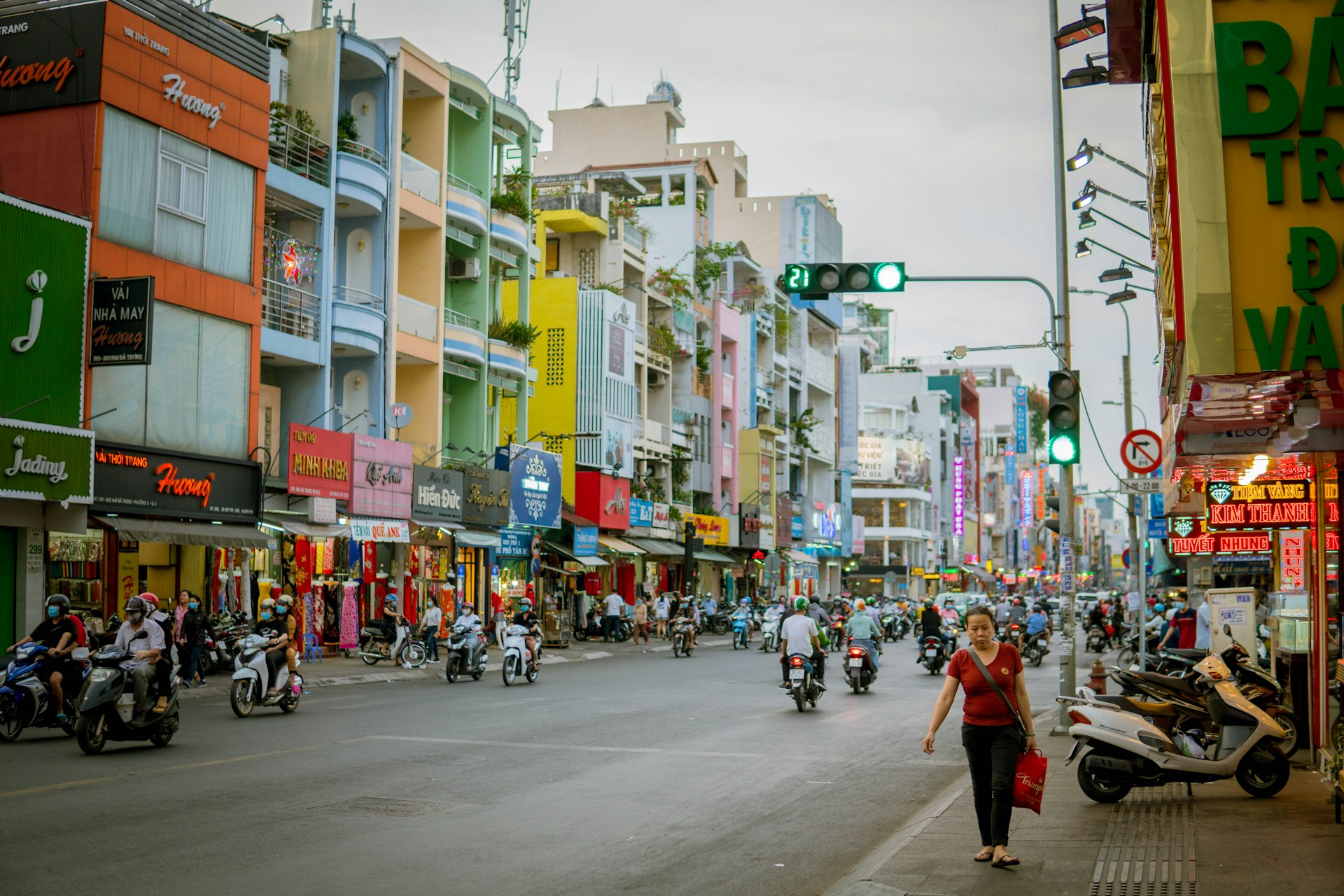
Few trips in Vietnam feel as rewarding as a ride on the Reunification Express, the rail line that links Hanoi in the north with Ho Chi Minh City in the south. For many Black travelers, the train is the best way to see the central coast, the former imperial city of Hue, and the countryside between stops without spending your days in airport queues. But train travel here rewards planning. Popular departures sell out, luggage is awkward on crowded platforms, and a few details about seats and stations can make or break the trip. This guide covers how to plan a train trip from Hanoi to Saigon, what to pack, and what to expect as a Black traveler.
Table of Contents
Quick Takeaways
Key Insight | Explanation |
|---|---|
Book the Hanoi to Saigon legs early | Sleeper berths on popular dates, and around Tet (the Lunar New Year), sell out well before departure. Lock in your dates as soon as your flights are set. |
Pay for a sleeper on overnight legs | A sleeper lets you rest through the night and arrive fresh, which often replaces a hotel night you would otherwise pay for. |
Pack for five to seven days | Most hotels offer laundry service and many hostels have self-service machines, so a longer trip rarely needs a longer bag. |
Use a hard-sided suitcase on four wheels | Station help with heavy bags is limited, and stairs and crowded platforms expose weak luggage quickly. |
Build a buffer day on the central coast | Autumn weather in central Vietnam can disrupt schedules, so keep a spare day near Hue or Da Nang. |
Plan for holiday crowds | Public holidays such as April 30 bring heavy domestic travel, so check the calendar before you fix your dates. |
Prepare for attention with a calm response | Some Black travelers report being stared at or photographed, especially in smaller towns. A friendly nod and a short answer usually end it. |
Reunification Express Route Overview
The Reunification Express runs north to south along the length of Vietnam, connecting Hanoi with Ho Chi Minh City. The name refers to the country's reunification after the war, and the line passes many of the places travelers most want to see. Most people ride it in segments rather than the full length, which lets them match stops to their schedule.

Where the line runs and which stops matter
Hanoi sits at the northern end, and Ho Chi Minh City, still widely called Saigon, sits at the southern end. Between them, the stops that tend to interest travelers most are Hue, Da Nang, and Nha Trang. Hue has the imperial citadel and royal tombs, Da Nang gives you a base for the central coast, and Nha Trang offers beaches and a slower pace.
One practical point: Hoi An is a popular stop, but the train does not go there. You reach it from Da Nang by road, so budget time for that transfer. Many first-time planners miss this when they map a route from a train timetable alone.
Splitting the trip into manageable legs
Few travelers ride the whole route in one go, and it is rarely the best way to experience it. The most workable itineraries break the journey into two or three legs with a few nights in each city. That gives you time to see Hue or Hoi An without rushing, and it keeps you from spending a full day on a seat when you would rather be exploring.
The central coast needs the most flexibility. Autumn is typically a period of heavy rain and storms in central Vietnam, and those conditions can disrupt schedules and slow service. Build one buffer day into any leg that runs through Hue or Da Nang.
Booking Tickets and Schedules
Booking is where most first-time riders lose time. The national operator, Vietnam Railways, runs its own online booking service, and it is the most direct way to check seat availability. Third-party sellers exist as well, but check the seat class and departure time carefully before you pay.
Book the long-haul legs first
Overnight sleeper berths on the main north-south services fill up fastest, especially on public holidays and around Tet, when domestic travel surges. If your dates are fixed, book as soon as your flights are confirmed. Waiting for a better price usually means losing the berth you wanted.
A common mistake is buying the cheapest seat for a night journey, then arriving exhausted in a city you want to explore the next day. Paying more for a sleeper usually replaces a hotel night, and that is the comparison to make.
Read the timetable against your arrival plans
Schedules list departure and arrival times, but they do not tell you how a late-night arrival will feel at an unfamiliar station. Before you commit, check whether your arrival falls in daylight. Arriving after dark in a new city means a taxi ride with no backup plan, which is a bigger step than it sounds.
Pro tip: Save a screenshot of your booking and carry your passport on travel day. ID is commonly requested at ticket checks, and a clear screenshot with the ticket number is faster to show than an email buried in your inbox.
Choosing a Seat Class
Vietnam trains offer hard seats, soft seats, hard sleepers, and soft sleepers. The right choice depends on how long you ride and how much sleep you need. Hard seats are the cheapest and the least comfortable, so they suit short daytime hops best.
For a daytime leg, a soft seat is usually enough. For any overnight segment, a sleeper is worth the extra cost, especially if you do not want your luggage at your feet all night.
Comparing your three main options
The table below sets out the three approaches that most travelers weigh when they plan the route.
Option | Best for | Trade-off |
|---|---|---|
Daytime soft seat | Daylight segments, such as a central coast stretch you want to see from the window | Limited sleep, and more crowding on busy departures |
Overnight soft sleeper | Long legs where you want to wake up closer to your next city | Higher price, and berths sell out first |
Split trip with a domestic flight | Covering the far north or far south quickly when your schedule is tight | Adds airport time, and you lose the scenic stretch |
The split trip works well if you want the train experience on part of the route but not the full distance. It also gives you a fallback if a storm disrupts a central coast leg. A common regret is choosing a hard seat for a night leg, because riders often arrive in the next city with no energy for the first afternoon.
Packing for the Train
Your bag will be lifted onto racks, rolled across platforms, and carried up stairs at stations where help with luggage is limited, especially in smaller towns. That makes packing the biggest factor in how comfortable the ride feels. Overpacking is the first mistake most travelers make.
Start by laying out everything you plan to bring, then remove about a quarter of it. Most people wear a small rotation of clothes on a trip of this length, and the rest becomes dead weight on the platform.

Choose a hard-sided suitcase on four wheels
Hard-sided suitcases protect your belongings better and stack more neatly on luggage racks inside the carriages. Four-wheeled models are far easier to steer through crowded stations in Hanoi, Da Nang, or Ho Chi Minh City than bags you have to drag on two wheels. Cheap soft bags are the usual failure point, and a broken zipper or missing wheel in the middle of a route leaves you with no good option.
Plan laundry instead of packing for every day
Most hotels in Vietnam offer overnight laundry, city hotels often have laundromats nearby, and budget hostels frequently have self-service machines. With those options, packing for five to seven days is enough even if your trip runs two weeks. A smaller bag also makes stair climbs at stations far less painful.
Pro tip: Pack a small daypack for the train itself with water, a charger, a light layer, and any medication. Keep it in front of you rather than on the luggage rack, so you can reach it without standing up.
Pro tip: Use a lock on your bag and keep valuables on your body. Sleeper cabins are often shared with strangers, so treat your passport and phone the way you would in a hostel dorm.
Station and City Logistics
The ride itself is often the easy part. Getting to the station, finding your platform, and reaching your hotel after arrival are where travelers lose the most time and energy. Plan each of those steps as carefully as you plan the ticket.
Getting to the station on time
Major stations in Hanoi and Ho Chi Minh City are busy, and traffic around them can be heavy at rush hour. Leave earlier than your map app suggests, and show the driver the station name from your ticket rather than relying on memory. Ride-hailing apps and metered taxis are the most predictable options when you are carrying heavy bags.
Handling luggage on and off the train
Help with heavy bags is limited at many stations, so expect to carry your own luggage. Know your carriage number before you reach the platform, because the train may not stop for long. Extend the handle on your bag before you board, and move quickly through the doorway.
Arrival is the other pressure point. Late arrivals mean you should have a pre-booked hotel with a clear address, and a saved map pin saves you from a long argument at the taxi rank. If you arrive before standard check-in time, ask the hotel about early luggage storage in advance.
What Black Travelers Should Know on the Train
Most of the planning advice above applies to every traveler, but a few details deserve their own attention for Black travelers. Vietnam's wartime history and its public holidays shape what you will see and when crowds gather. Preparing for both makes the trip smoother.

Reading the history before you ride
Many visitors arrive with a strong interest in the war, and much of that history is concentrated in Ho Chi Minh City. The War Remnants Museum and the Cu Chi Tunnels are the two sites most visitors plan around. A Black American traveler who wrote about her visit on WanderWomxn described reading up on the history beforehand, and noted that the Cu Chi Tunnels sit about a two-hour drive from the city. Schedule those visits on a day when you are not also changing trains.
Timing around public holidays
April 30 is Reunification Day, a national holiday that marks the end of the war, and the surrounding days bring heavy domestic travel. The same WanderWomxn writer booked a Cu Chi trip on that date without planning for it, which is an easy mistake to make. Check the holiday calendar before you lock in dates, and expect fuller trains and busier stations on the days either side.
Handling attention with calm confidence
Some Black travelers report being stared at or photographed, particularly in smaller towns where foreign visitors are less common. One account in a Vietnam travel group described that attention as curiosity rather than ill will. That is one person's experience, so treat it as a data point rather than a guarantee. A friendly nod, a short answer, and moving on usually settles the moment. Keep your phone and passport out of sight in crowded carriages, and do not let curiosity push you into defensive body language.
Frequently Asked Questions
How long does the train from Hanoi to Saigon take?
The full journey takes well over a day, and travel times vary by service and stop. Most travelers split the route into legs with a night or two in between, which is more comfortable and gives you time to see the cities along the way. Check the current timetable before you set your dates.
Do I need my passport to buy a train ticket?
Carry your passport whenever you buy, collect, or travel on a ticket. Staff may ask for it at checks, and a booking tied to your passport number is easier to resolve if plans change. Photograph the passport page and keep the paper copy in a separate bag.
Is the Reunification Express safe for solo travelers?
Solo travel on the train is common and generally uneventful, but you should act as you would on any long journey. Lock your bag, keep valuables on your body, and avoid leaving your belongings unattended when you step onto a platform. A sleeper cabin with a lock on your bag is a simple and effective precaution.
Can I do laundry during a multi-day train trip?
Yes, and it is one of the easiest ways to pack light. Many hotels offer overnight laundry, city hotels often have laundromats nearby, and budget hostels frequently provide self-service machines. Plan one laundry stop per city and you will rarely need more than a week of clothing.
What is the best time of year for a Hanoi to Saigon train trip?
Spring and early autumn tend to suit most travelers, but the central coast can be affected by storms in the wetter months. Late April brings holiday crowds around Reunification Day, so plan around those dates if you want a quieter ride. Keep a buffer day on the central coast whatever season you choose.
Have you ridden the Reunification Express yet, or are you planning your first leg? Tell us which route you chose and what you would pack differently next time.



Comments