Vietnam Skincare for Black Travelers: Where to Shop Safely
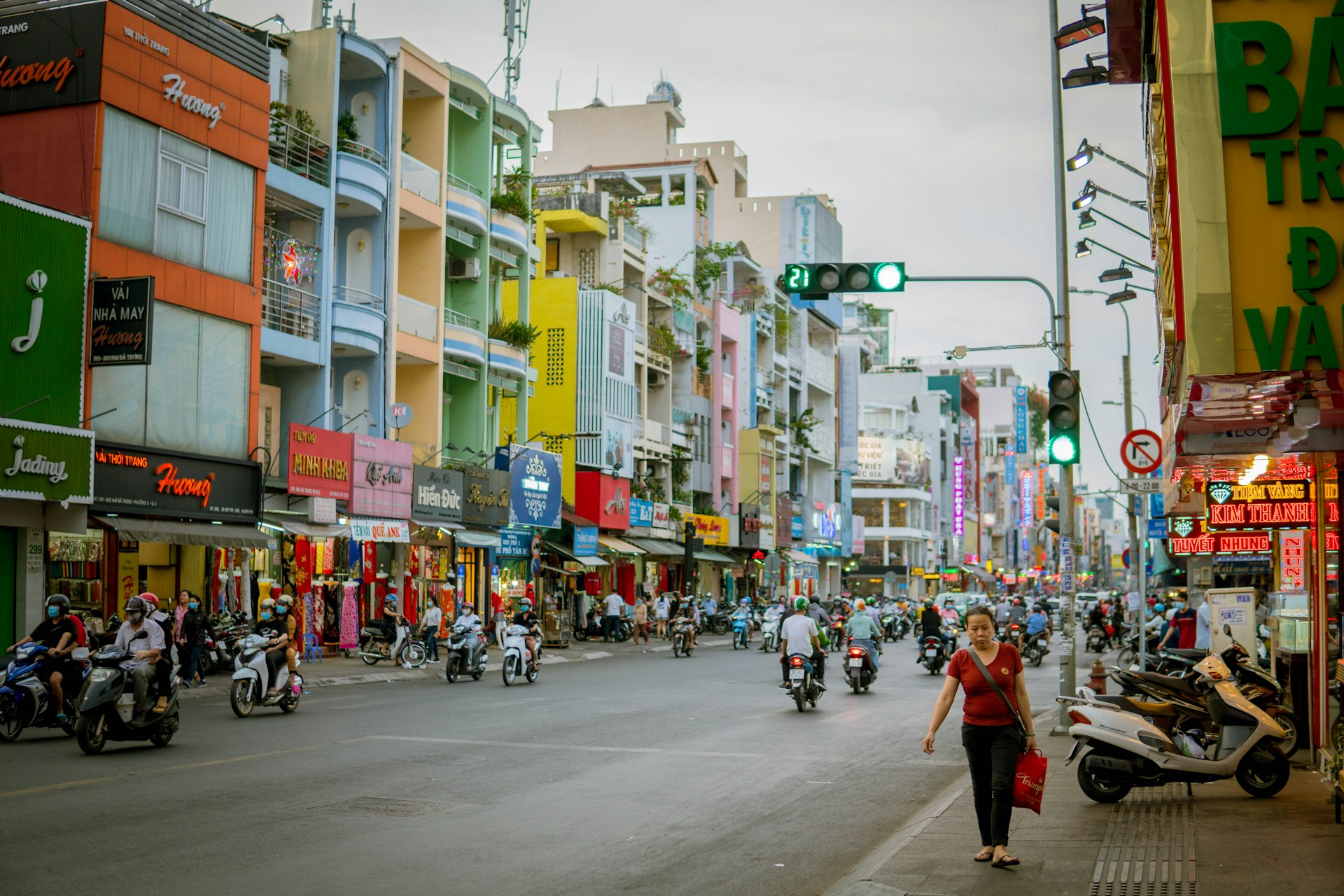
For Black travelers, skincare in Vietnam is less about finding a shelf and more about knowing which products to trust. Humidity, strong sun, constant air conditioning, and packaging written mostly in Vietnamese can make a routine that works at home feel unpredictable here. This guide covers which Vietnamese brands are worth trying, which ingredients to look for on the label, where to buy safely, and how to spot counterfeits. It is written for people planning a trip or a longer stay, so the advice focuses on what to buy, where to buy it, and how to test it before it touches your whole face.
Table of Contents
Quick Takeaways
Key Insight | Explanation |
|---|---|
Patch test every new product | Test each new product on your inner arm or behind your ear for at least a day before using it on your face. |
Shop for a concern, not a brand | Start with a specific problem such as post-breakout marks, redness, or dryness from air conditioning, then find products built for it. |
Sunscreen is an every-day step | UV exposure still reaches you on cloudy days and during short walks between indoor spaces, so keep SPF in your bag. |
Buy through brand channels first | Reseller listings can be legitimate, but check seller history, packaging, and batch information before you pay. |
Do not stack strong actives | Azelaic acid, salicylic acid, and vitamin C are useful on their own, but layering them at once often leads to irritation. |
Adjust for heat and air conditioning | Choose lighter textures and cleanse in two steps when sweat and sunscreen build up during the day. |
Why Melanin-Rich Skin Needs a Different Shopping Approach
Most skincare sold in Vietnam is formulated for the local market, not with melanin-rich skin specifically in mind. That means the challenge for Black travelers is rarely whether a product exists on the shelf. The real challenge is working out which products address concerns like dark marks, uneven tone, and irritation without causing new ones.

The two concerns that come up most often are dark marks left behind by breakouts or irritation, and sensitivity to strong actives. A product that brightens one person's skin can leave another with a red, itchy patch that lingers for weeks. Many Vietnamese brands lean on botanical and barrier-focused formulas, which can suit sensitive skin, but botanical does not automatically mean gentle.
Shopping for skincare abroad is a patch-test problem long before it is a shopping problem.
Our advice is to shop with a short list of concerns rather than a list of brands. Write down what you want to address, whether that is marks from a recent breakout, dryness from a hotel room, or sun protection for a beach-heavy itinerary. Then look for ingredients that target those concerns, and treat every new product as a test rather than a commitment.
Pro tip: Pack travel-size versions of your current routine before you fly, then add one new product at a time. If a reaction shows up, you will know which product caused it.
A common mistake is buying a full-size bottle on day one because the price feels low. Start small, track how your skin responds for a week, and only then decide whether a product earns a permanent spot in your bag.
Vietnamese Brands Worth Knowing
Vietnamese beauty brands are easy to find once you are in the country, but many English-language lists mix them with Korean imports that are popular locally. A useful filter is to look for brands owned by Vietnamese companies and built around their own identity. Three names come up repeatedly in community discussions and in verified product guides.
Cocoon for Sunscreen and Basics
Cocoon is the most internationally visible name in this group, with clear certification information and a range that is easy to navigate. Its Winter Melon Sunscreen, listed at SPF 50 with PA++++, is a common first purchase for travelers who want a familiar daily format. The Winter Melon Cleanser is built around salicylic acid for breakouts, so it suits oily or acne-prone skin better than dry, reactive skin.
Derma Forte for Dark Spots
Derma Forte, from Gamma Chemicals, is formulated around azelaic acid and ascorbic acid, two ingredients often used to address dark spots and uneven tone. It is listed as a facial treatment, so think of it as a targeted step rather than an everyday moisturizer. Because it is an active, introduce it slowly and keep sunscreen on every day you use it.
Dermarium for Plain Derm Basics
Dermarium is the brand to try if you want functional formulas without botanical storytelling. International shipping is limited, so most visitors buy it in person. Its gentle cleanser is a practical entry point for anyone whose skin does not tolerate heavy fragrance.
Other names, including Herbario and Cỏ Mềm, are sold mainly through resellers, so they take more effort to find and verify. Thorakao is sold mostly within Vietnam, and its basic cleansers and body care are useful if you are already in the country and want something inexpensive to test.
Ingredients to Look For on the Label
Packaging in Vietnam is often in Vietnamese, but ingredient lists frequently use international INCI names. That means you can compare a product with what you already know, even if the front of the bottle is unfamiliar. Focus on a few ingredients tied to your concern rather than trying to decode the whole list.
Azelaic Acid and Vitamin C for Dark Spots
If your main concern is marks left behind after breakouts, azelaic acid and vitamin C are the two ingredients to check. Derma Forte combines both in one formula. Expect slow results measured in weeks rather than days, and stop if you notice stinging that does not settle within a few minutes.
Madecassoside and Panthenol for Redness
Hau Giang Lotus Soothing Toner from Cocoon is built around madecassoside and panthenol, which are positioned to calm redness and support the skin barrier. These help after a long day in the sun or a long flight when skin feels tight. They are not a treatment for hyperpigmentation, so do not expect them to fade marks.
Salicylic Acid for Breakouts
Salicylic acid works inside pores, which is why it shows up in cleansers and treatments aimed at congestion. In humid weather, sweat and sunscreen can build up quickly, so a salicylic cleanser can earn its place. If your skin runs dry or flaky, use it on alternate nights only.
Pro tip: Do not stack azelaic acid, salicylic acid, and vitamin C on the same night. Choose one active per evening and give your skin a few days between introducing new actives.
Sun Protection in Humid Heat
Sunscreen is where Vietnam's climate changes the calculation. Heat and humidity push people toward light, fast-absorbing textures, and many travelers skip SPF on overcast days. Cloudy weather still lets UV through, and the dark marks that follow sun exposure can be harder to fade than those from a breakout.

Choosing an SPF for Humid Days
Many sunscreens sold in Vietnam are chemical formulas, and the Winter Melon Sunscreen from Cocoon is a good example of the matte, lightweight finish many people prefer in humidity. Look for broad-spectrum protection, and check the PA rating, which indicates UVA protection. A matte finish helps control shine, but test how it sits on your skin, because some matte formulas can look ashy on deeper tones.
Reapplying Through a Long Day
Sunscreen wears off as you sweat, swim, and wipe your face. Carry a small tube for reapplication, especially if you are walking markets or spending time on the water. A common mistake is applying once in the morning and assuming the air conditioning in your room will cover the rest of the day.
Where to Buy Skincare in Vietnam
The channel you buy from matters as much as the product itself. A Vietnamese skincare guide notes that counterfeit cosmetics are a real and documented problem in the country, so the seller is part of your safety check. The table below compares three common approaches.
Shopping Channel | Strengths | Main Risk |
|---|---|---|
Brand channels (for example, Cocoon's own international channels) | Direct sourcing, clear product information, and the most reliable path for shipping home | Fewer discounts, and some ranges are limited to specific markets |
Resellers and online listings (for example, Herbario and Vedette) | Access to brands that do not sell direct to visitors | Harder to verify authenticity, and packaging quality varies |
Domestic retail (for example, Thorakao) | Inexpensive, easy to buy in person, and useful for basic everyday products | Limited export options, and a narrower range to compare |
Brand-Run Channels First
Start with the brand's own site or a brand-run counter when you can. Cocoon is the clearest example, since it is one of the few Vietnamese brands that is easy to order from internationally through its own channels. That removes most of the guesswork for your first purchase.
Resellers and Marketplaces
Brands such as Herbario and Vedette are sold mostly through resellers. That is not automatically a red flag, but it means you should check the seller's history, ask about batch details, and compare the packaging with the brand's official images before paying.
Pro tip: Buy one item from a new seller first. If the packaging, texture, and scent match the official product, you can reorder with more confidence.
Spotting Counterfeits Before You Pay
Counterfeits are the most practical risk for visitors who buy in a hurry. Fakes are not always obvious, and a low price alone proves nothing, because some budget brands really do sell cheaply. The goal is to build a habit of checking, not to become suspicious of everything.
Price and Packaging Red Flags
Be wary when a premium product is priced far below what official channels charge, when seals look misaligned, or when the batch code cannot be read. Blurry printing, odd fonts, and typos in the ingredient list are also warning signs. Photograph the product and its packaging when you buy, so you have something to compare if the product seems wrong later.
Patch Testing Before Committing
Patch test every new product on the inner arm or behind the ear for a day or two before using it on your face. Test one product at a time, so you can identify the cause of any reaction. If you are trying a new active, do it during a quiet stretch of your trip, not the day before a flight or an event.
Adapting Your Routine to Heat and Air Conditioning
Vietnam is hot and humid for much of the year, and most rooms are cooled by air conditioning. That combination can leave skin oily on the surface and dehydrated underneath, which is why people who never had a problem at home suddenly feel tight, shiny, or itchy after a few days.

Cleansing Twice in Humid Weather
A gentle first cleanse with micellar water or an oil removes sunscreen and sweat, and a water-based cleanser handles what remains. The Winter Melon Micellar Water from Cocoon is formulated to dissolve makeup, sunscreen, and daily buildup, which makes it a good fit for this first step. Skip the double cleanse if your skin is sensitive or easily dried out.
Moisturizers That Hold Up in Heat
Light gel and lotion textures usually work better in humidity than dense creams, but dehydrated skin still needs a barrier. Look for a moisturizer with humectants, and add a richer layer only at night if you need it. Use less than you think, since heavy layering can trigger breakouts in warm weather.
Pro tip: Keep your products out of direct sun and away from hot surfaces such as a sunny windowsill or a parked car. Heat can change the texture of some formulas, and a changed texture is a sign to replace the product.
Frequently Asked Questions
Are Vietnamese skincare brands suitable for melanin-rich skin?
Some are, but suitability depends on the active ingredients and the formula rather than the country where the brand is made. Start with gentle products, patch test first, and avoid heavy fragrance if your skin reacts easily.
Can I buy Vietnamese skincare that ships home?
Some brands ship internationally through their own channels, and Cocoon is one of the most accessible. Others limit shipping or sell mainly through resellers, so check shipping options before you plan your purchases.
How can I tell whether a product is counterfeit?
Compare the packaging, batch information, and print quality with the brand's official images, and be cautious of prices far below official channels. Buying from a brand channel or a well-reviewed seller is the most reliable way to avoid the problem.
Do I still need sunscreen on cloudy days in Vietnam?
Yes. Clouds do not block all UV, and walking between indoor and outdoor spaces adds exposure throughout the day. Keep a daily sunscreen in your bag and reapply after sweating or swimming.
Is it safe to use retinoids while traveling in Vietnam?
Retinoids can increase sun sensitivity, so they are a poor choice if you will spend long hours outdoors. If you do bring one, start with a few nights per week, use daily sunscreen, and stop if irritation builds.
Which Vietnamese brand should a beginner try first?
Cocoon is a practical starting point because its certification information and product range are easy to follow, and its sunscreen and cleansers cover the basics. Add one product at a time so you can track how your skin responds.
Tell us which Vietnamese product worked for your skin or which one caused a reaction, because your experience will help the next traveler decide what to test first.
We would love your feedback and any insights you would share with others. What perspective would you add?



Comments