Vietnam Family Travel: Kids, Activities and Relocation Tips
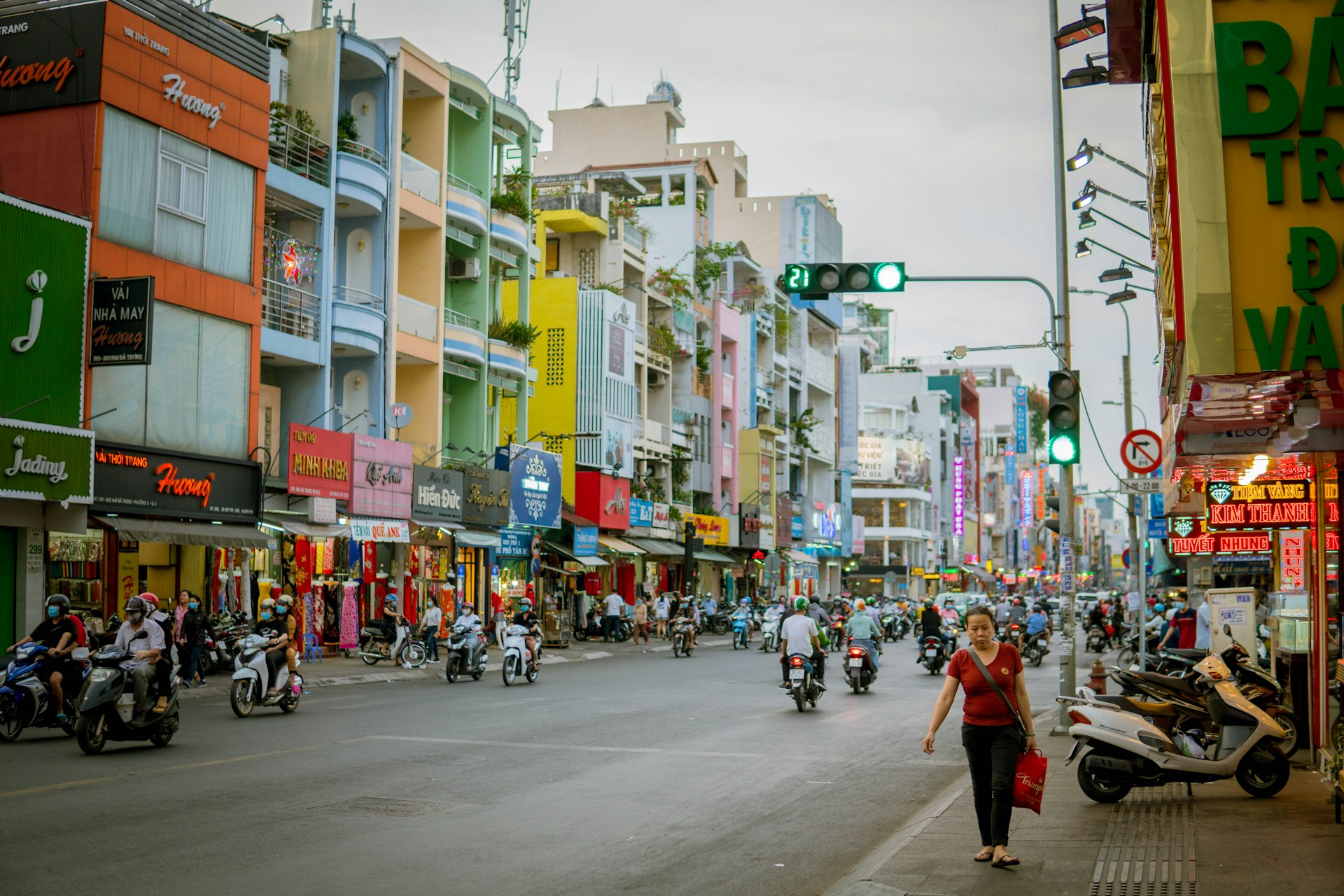
Planning Vietnam family travel sounds simple until you start comparing hotels, transfers, and activities that actually suit a six-year-old and a teenager on the same afternoon. Black families planning trips or moves here often ask the same questions before booking: will the kids stay interested, will the food work for picky eaters, and what does settling a household look like once school starts? This guide answers those questions from the practical side. It covers activities that hold children's attention, how to eat and get around without constant friction, the health issues parents tend to underestimate, and the relocation details that matter when children are part of the plan.
Table of Contents
Quick Takeaways
Key Insight | Explanation |
|---|---|
Limit your trip to two bases | Every transfer costs a half day once children are involved. For a seven-day trip, two cities is the realistic maximum. |
Book a multi-day Halong Bay cruise over a day tour if you can | Overnight itineraries with village stops, kayaking and caves give children more variety than long coach days. |
Schedule sightseeing for the morning | Heat and humidity drain young children by early afternoon. Save pools, museums and naps for the hottest hours. |
Pack a snack and medicine kit from home | Familiar snacks and children's medicines in original packaging remove a lot of stress on day one. |
Ask hotels about family and connecting rooms before booking | Room layouts vary widely, and a room that looks large online can still have one bed for four people. |
Visit schools and housing in person before you sign anything | Relocating families who decide from photos and video calls often discover commute and facility problems after the first term fee is paid. |
Budget for the family, not the individual | Children add costs for schooling, transport, food and medical visits that single-traveler budgets rarely capture. |
Choosing a Base for Kids
Most first-time families try to cover too much ground. Vietnam is long and its regions feel very different, so the trip that looks efficient on a map often becomes a string of exhausting transfers. Hanoi in the north and Saigon in the south are the two cities most families start with, and for many trips they are enough on their own.

Hanoi and Saigon as anchor cities
Hanoi suits families who want history, museums and a walkable old quarter. Children usually enjoy the street food scenes and the sense of activity, though the traffic crossing rules take a day or two to get used to. Saigon has a more modern, sprawling layout, with large parks and malls that work well for rainy afternoons. In practice, a family that picks one city for the first half of the trip and the other for the second half tends to have fewer meltdowns than one that rotates every two nights.
Sapa and Ha Giang for mountain days
Sapa is often described as an escape from the crowds, with cloud-filled valleys and village walks that give children something to look at all day. Ha Giang is more of an adventure destination and is better suited to older children who can handle long road days. A common mistake is booking a mountain stop for a family with a six-year-old and expecting the same pace an adult couple would enjoy. Keep mountain stays to two nights and build in a rest day.
Kid-Friendly Activities in Vietnam
The activities that work best for children are the ones with something to touch, ride or do with their hands. Parents who fill the schedule with temples and galleries often find children bored by the second day. The best family days mix one structured outing with unstructured time at a pool, a park or a quiet lunch.
Halong Bay cruises with village and cave stops
Halong Bay is the activity most families mention first, and for good reason. A two-day itinerary on board can include stops at local villages and pearl farms, kayaking on still water, and exploring caves. Children tend to remember the boat and the kayaks long after they forget the names of the caves. If your schedule allows only a single day, a day tour that includes a stop on Titop Island, a cave visit, kayaking and lunch gives a taste of the same experience with far less time on the water.
Pro tip: Ask the cruise operator in advance whether life jackets come in children's sizes and whether the kayak sessions are optional. Some families skip kayaking when the water looks rough, and it helps to have a backup activity planned for the boat.
Lantern and basket boat evenings in the old town
Evenings in the historic ancient town areas are a family highlight that costs very little. Many family itineraries shared online feature a basket boat ride and a lantern-lit walk, and children usually find these more engaging than any museum. Go after dinner, when the crowds thin and the lanterns are lit, and bring a small amount of cash for the boat ride and any snack stalls. Plan to finish early, because the most fun is often the first hour.
Mountain and trekking days for older children
For children aged around 10 and above, the mountain landscapes of the north provide the kind of outdoor challenge that adults and teenagers both enjoy. Village walks in the Sapa region are generally moderate, but the steep trails and changing weather can surprise younger children. Teenagers often respond better to a guided day with a clear goal, such as reaching a viewpoint or visiting a specific market, than to a loose wander. Check with your guide about the walking distance and the weather before setting out.
Eating Out With Children
Food is the biggest unknown for many families before they arrive. Vietnamese cuisine is built on fresh herbs, fish sauce, chilli and broth, and it can be a delight or a struggle depending on your children's habits. The good news is that there are plenty of mild options available almost everywhere, and families who plan their meals tend to eat well.
Managing picky eaters at street stalls
Street food is a major draw, but it can be hard going for children who want plain food. Noodle soups with the broth served on the side and simple grilled meats are usually the easiest starting points. Bánh mì, the baguette sandwich, is another reliable option that most children accept. Tell the vendor to leave out chilli and herbs, and most will oblige without fuss. A common mistake is assuming that a dish labelled mild will not contain fish sauce, so ask about ingredients rather than guessing.
Restaurants and hotel breakfasts
Hotel breakfasts are often the most useful meal of the day for families. Buffets usually include eggs, bread, fruit and congee, which gives children a safe base before they try local dishes. Mid-range restaurants with English menus tend to be the most flexible for children who need a plain pasta or rice dish. Expect portions to be smaller than you are used to in North America or Europe, and order an extra plate of rice or bread if your children are big eaters.
Pro tip: Keep a small pack of snacks in your daypack, including crackers, fruit and any cereal your children already eat. It saves a lot of arguments during long transfers and between meal times.
Getting Around With Kids
Transport is where many family trips lose their rhythm. Traffic in the big cities is intense, and walking with a stroller on uneven pavements is harder than it looks. Most experienced family travellers rely on a mix of private drivers, ride-hailing apps and occasional domestic flights, and they pick the combination based on how far they need to go each day.

Domestic flights and overnight trains
Domestic flights are the fastest way to cover long distances, and they are often better than long road journeys for children under about eight. Overnight trains are an adventure that older children often love, but they are less comfortable for toddlers and require careful planning around sleeping berths. If you choose a train, book a private compartment where possible and pack a small bag with a change of clothes, snacks and entertainment for the first hour.
Private drivers and car seats
A private driver is worth the cost for families with young children. You can set the pace, stop for snacks and avoid the stress of negotiating unfamiliar traffic. Child car seats are not always standard in local vehicles, so ask in advance and bring your own if you rely on one. Do not assume a booster will be available at the airport transfer desk. A confirmed booking with seat details is the only reliable approach.
Planning Your Trip Structure
The structure of your trip matters as much as the list of activities. Families who try to book every activity themselves often end up with overlapping plans and no real rest. Families who book a fully packaged tour sometimes find that the pace suits adults rather than children. The three approaches below cover most of the choices we see.
Approach | Best for | Main trade-off |
|---|---|---|
Organized family tour with a set itinerary | First-time families with children under 10 who want less planning | Less flexibility, and some days can run too long for young children |
Private driver with self-planned days | Families who want control over pace and stops without coordinating every transfer | Requires you to research activities and handle timing yourself |
Self-guided travel with public transport and apps | Experienced travellers with older children who are comfortable with unpredictability | Hard work with young children, especially in heat and heavy traffic |
For most families with children aged 4 to 12, the private driver option offers the best balance. It keeps the trip flexible enough to adjust when a child gets tired, but it does not require daily negotiation. Organized tours work well for the first trip if you have very young children and limited time to plan.
The family trip that works is rarely the one with the most stops. It is the one where each day has one anchor activity and enough open time for children to recover.
Health, Heat and Safety for Children
Heat, humidity and unfamiliar foods are the three main health concerns for families visiting Vietnam with children. Most problems are preventable with a simple routine, but families who ignore the basics often lose a day or two to avoidable illness. Build the routine into your schedule from the first morning.
Heat and daily schedules
Plan outdoor activities for early morning and late afternoon, and use the middle of the day for indoor time, naps or pool visits. Children overheat faster than adults and often do not say they are uncomfortable until they are already irritable. Carry water, offer it regularly, and watch for signs of dehydration such as fatigue or a dry mouth.
Sun, insects and water
Bring child-safe sunscreen and insect repellent from home, because brands and formulations can differ. Ask your hotel whether tap water is safe to brush teeth with, and use bottled or filtered water for drinking and for children's bottles. These are small habits, but they prevent most stomach problems that families report.
Pro tip: Check your travel insurance policy for coverage of children specifically, including evacuation and outpatient care. Save the emergency contact numbers for your insurer and your hotel in a shared note on your phone.
Medical care and medicines
Bring a basic children's medicine kit with fever reducer, oral rehydration salts, plasters and any prescription medicines in their original packaging. Pack more than you think you need, because replacing a specific formulation in a smaller town can be difficult. If a child is seriously unwell, the larger cities have hospitals with international-standard clinics, but you should confirm your insurer's network before you travel.
Relocating a Family to Vietnam
Moving children to Vietnam is a different exercise from visiting for two weeks. Schools, housing, healthcare and the paperwork that governs your stay all need attention before you arrive. Families who treat the move as a project with a timeline tend to settle faster than those who arrive and then try to sort out the details.

Paperwork and documents first
Before you move, collect the documents your family will need, including passports, birth certificates and any records that your children's schools will request. Start the visa and residence process early, because the paperwork can take longer than expected. A practical guide to moving to Vietnam for expats, published on a business blog, lays out the steps as preparing documents, managing finances and arranging housing, and that order is a sensible one for families too.
Housing that works for children
Look for housing near a park, a supermarket and the school your children will attend. A short commute matters more than a larger flat, particularly in the big cities where traffic adds time to every journey. Check the building for lifts, balconies and secure entrances, and ask the landlord about the condition of the water supply. Visit in person if possible, and view the flat at the same time of day that you would normally be home.
Budgeting for a family
An expat guide to living in Vietnam notes that day-to-day costs can be low, and that a small family's average living expenses in the largest cities may stay under about US$1,500 a month. Treat that figure as a starting point, not a promise, because school fees, private healthcare and imported foods can push costs far higher. Build your budget around your children's schooling and medical costs first, then add housing and food.
Frequently Asked Questions
Is Vietnam a good destination for young children on a first trip?
Yes, provided you plan the pace carefully. Most young children enjoy the boat trips, markets and street food, but the heat and traffic mean the days need shorter outings and regular rest breaks.
How long should a family trip to Vietnam be?
Seven to ten days is a good length for most families with children. Two bases with a day or two of rest in between usually works better than a longer itinerary with many stops.
Are children's activities available outside the big cities?
Yes. Mountain villages, Halong Bay cruises and coastal towns all offer activities that suit children. The trade-off is that transport takes longer and medical facilities may be more limited, so plan accordingly.
What should a family budget look like if they are relocating?
Start with schooling, healthcare and housing, since these are the largest fixed costs. Add a buffer for transport and imported food, and check current costs for each category before you commit, because prices change often.
Do restaurants and hotels accommodate children's dietary needs?
Most mid-range restaurants and hotels can prepare plain rice, noodles or grilled meat for children on request. Explain allergies clearly and ask about fish sauce and nut content, because many dishes contain ingredients that are not obvious from the menu.
Tell us which Vietnam activity or city worked best for your family, or share the one question you wish you had answered before taking your children there.
References
Guide to family-friendly Vietnam trips with Halong Bay cruise stops
Overview of 25 Vietnam destinations suited to travelling with kids
Step-by-step guide to preparing documents and finances before moving to Vietnam
Expat guide with notes on living costs for families in Vietnam



Comments