Vietnam Domestic Flights: How to Book Cheap and Smart
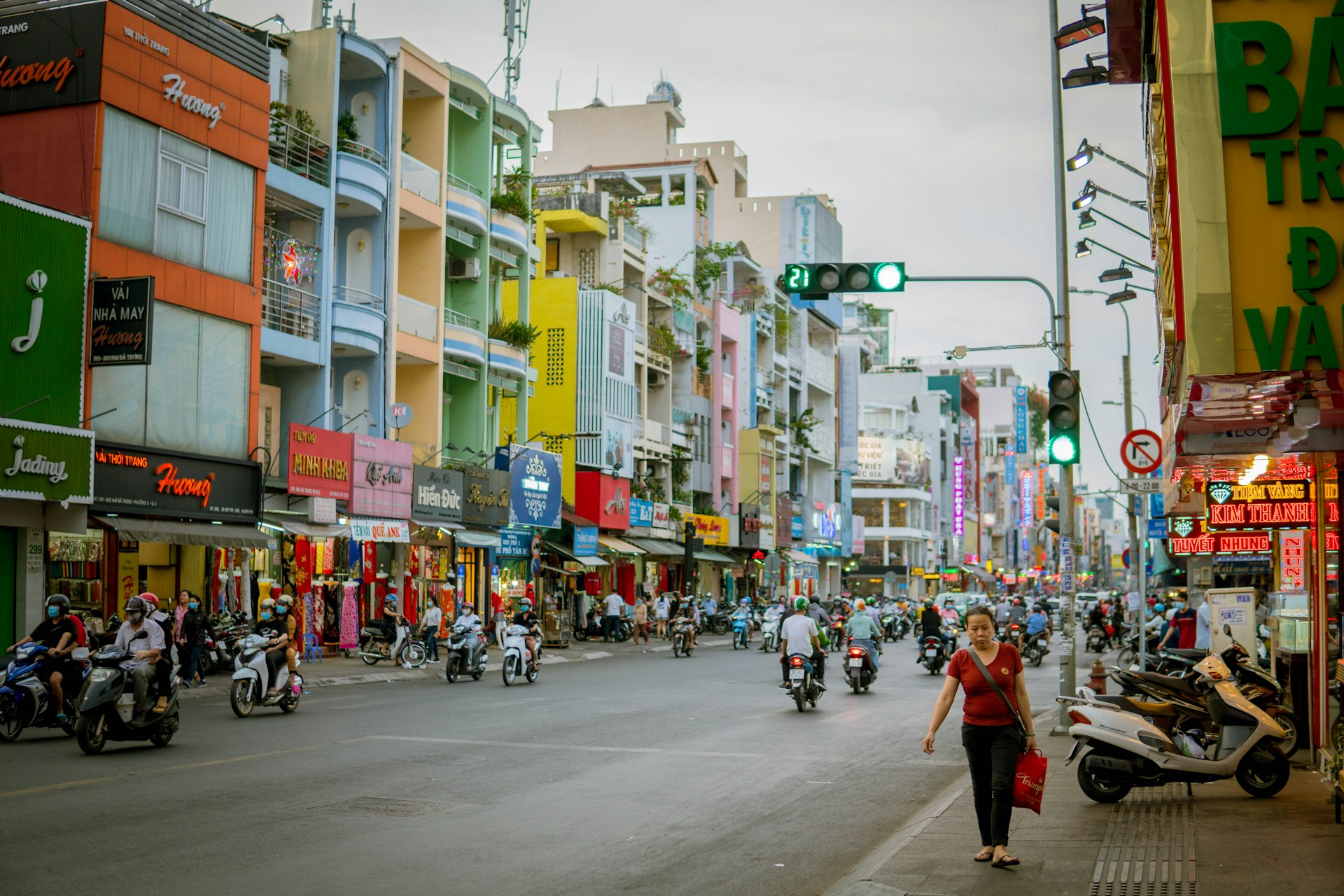
Vietnam domestic flights can save you days on a route that would otherwise eat a whole weekend by bus or train. The catch is that the fare you see first is rarely the fare you pay. Budget carriers advertise low base prices, then charge for bags, seats, and meals, and a few booking mistakes can turn a cheap ticket into a stressful airport morning. This guide covers how to book Vietnam domestic flights cheaply and sensibly, including the details that matter most for Black travelers planning a short trip or a longer stay.
Table of Contents
Quick Takeaways
Key Insight | Explanation |
|---|---|
Compare total price, not base fare | Add the cost of bags, seat selection, and meals before you choose a budget carrier. The cheapest headline fare is often the most expensive final bill. |
Book one to three months out | This is the window most traveler advice points to for domestic routes. Last-minute seats on popular routes between the major cities tend to cost more. |
Search Tuesday and Wednesday departures | Airline guidance says midweek flights are often cheaper than weekend ones, with savings estimated at roughly 5 to 10 percent. |
Plan around Tet and the summer peak | Holiday travel and June to August demand push fares up and sell seats early. If your dates are fixed in those periods, book as soon as you can. |
Match your booking name to your passport | A mismatch can cost you a seat at check-in, and fixing it at the counter is often more expensive than the original ticket. |
Carry a backup card and offline proof | Some checkouts decline foreign-issued cards, and you need your booking reference when your phone signal drops at the gate. |
Which Airlines Fly Vietnam Domestic Routes
More than 20 civilian airports operate across Vietnam, and the carriers that appear most often in regional guides are Vietnam Airlines, VietJet Air, and Bamboo Airways. Hanoi, Ho Chi Minh City, and Da Nang work as the main hubs, so most useful routes run through one of those three cities.
Your airline choice changes more than the price. Each carrier sells a different mix of reliability, baggage allowance, and route coverage, and the right pick depends on what happens if your flight is late.

Vietnam Airlines: Paying a little more for predictable schedules
Vietnam Airlines is the national flag carrier, and it is the one I would pick when a missed connection would wreck the rest of the trip. Its schedules tend to run more consistently than those of budget carriers. Many of its domestic fare classes include checked baggage, which can remove the need to buy an add-on at all.
The tradeoff is that the headline fare is usually higher. Compare its total cost with a budget fare once you have added a bag and a seat before you decide.
VietJet Air: Low base fares and the add-on trap
VietJet Air has made domestic travel far more affordable, and it runs frequent departures between the big tourism cities. It also launches promotional fares that are worth watching if your dates are flexible.
Here is the trap. Most extras, including baggage allowance, seat selection, and onboard meals, are sold separately. A fare that looks like the cheapest option can end up costing more than a full-service ticket once you add what you actually need. Delays can also happen during busy periods, so avoid tight connections on the same day as an international departure.
Bamboo Airways: Confirm the route is actually flying
Bamboo Airways set out to bridge the gap between full-service and low-cost carriers, but its network has gone through significant changes in recent years. Before you build an itinerary around it, check on the airline's official site that the route is operating on your travel date. Do not rely on an older listing or a cached search result.
When to Book Vietnam Domestic Flights
Timing is the cheapest lever you have. For domestic routes, the advice that appears most often in traveler communities is to book roughly one to three months before departure. Booking much earlier does not always get you a better price, and booking at the last minute usually costs more on busy routes.
The one to three month window
If you book in that window, you will usually have a real choice of departure times and seat types. Waiting until the final week narrows your options fast on popular routes between the major hubs, and the cheaper fare buckets often sell out first.
Pro tip: Check the same route on a Tuesday departure and a Saturday departure before you commit. The gap on your specific route is often bigger than you expect.
Why Tuesdays and Wednesdays are worth searching
Vietnam Airlines' own guidance on cheap fares says midweek flights tend to cost less than weekend departures, and it estimates the saving at roughly 5 to 10 percent. That guidance is written for international tickets, but it is worth testing on domestic routes too, since you can see the difference in seconds.
Set your search to flexible dates and use the calendar view. Shifting a departure by a single day can change the price more than hours of refreshing a single search.
Holidays and the summer peak
Avoid June to August if you can. Vietnam Airlines' guidance also flags public holidays, including International Labour Day on May 1 and National Day on September 2, as periods when demand and fares climb. Plan those dates early, or move your trip.
Tet, the Lunar New Year holiday, is the biggest exception. Fares and seat availability swing sharply in the weeks around it, so either book well ahead or plan the trip around the holiday entirely.
What Your Fare Includes and What It Doesn't
A domestic fare is a bundle, and the cheapest bundle is often missing something you assumed was included. Before you pay, read the fare rules for baggage, seat selection, changes, and refunds. Those four items decide whether your ticket is actually cheap.
Baggage: the cost that surprises people most
On budget fares, baggage is the item most often added at checkout. If you are carrying a suitcase plus a day bag, add the bag during booking. It is usually simpler and often cheaper than adding it at the airport counter.
Vietnam Airlines' domestic fare classes often include checked baggage, which makes its headline price easier to compare with a budget fare once you add the bag to the budget option.
Seats and meals
Seat selection is optional, and on a short hop it is rarely worth paying for. If you are traveling with someone, though, select seats together during checkout. Otherwise the system may place you in different rows, and fixing that at the gate can take time you do not have.
Changes and refunds
Budget domestic fares are often non-refundable or carry change fees, so decide before booking whether your plans are firm. If they are not, the small premium for a more flexible fare can cost less than losing one full ticket.
The cheapest fare is the one whose rules you understood before you clicked pay.
Passport, Name, and Payment Checks for Foreign Travelers
Most domestic booking problems have nothing to do with price. They come from small details that are easy to get wrong when you type quickly on a phone late at night. Slow down at the passport and payment steps, because mistakes there are the hardest to fix once you are at the airport.

Match your name exactly to your passport
Enter your name exactly as it appears on your passport, including the order of names and any middle name listed. A mismatch can get you refused at check-in, and correcting it at the counter can cost more than the original ticket.
Carry the physical passport for every flight. A photo on your phone may not be accepted at the gate, and you do not want to find that out during boarding.
Card declines and the backup plan
Some airline and booking checkouts decline foreign-issued cards, even when the account has funds. In practice, carrying two cards from different networks saves more trips than any promo code. If one card is declined, try the other before assuming the fare is gone.
Connectivity for check-in and changes
Airline apps, mobile boarding passes, and schedule updates all depend on your phone. Get a local SIM or eSIM before you fly, and save your booking reference and flight numbers offline. Airport Wi-Fi exists, but it is not reliable enough to be your only route to a boarding pass.
Pro tip: Screenshot your booking reference, flight number, and the passport page you used to book, then save them to an offline folder before you leave your hotel.
Comparing Three Ways to Book
There are three practical ways to buy a domestic ticket in Vietnam, and each suits a different traveler. The right choice depends on whether you care most about schedule certainty, the lowest headline price, or quick price comparison across carriers.
Booking directly with the airline
Booking on the airline's own site gives you the clearest view of fare rules, baggage options, and any changes to your flight. It is also the simplest place to fix a booking later. If you are choosing between two carriers, check both official sites before deciding.
Using a fare comparison search
A comparison search is useful for spotting which airline is cheapest on your exact dates. Use it to find the route, then confirm the final price, baggage rules, and the name on the ticket directly with the airline before you pay. Listings can lag behind real availability.
Booking Option | Best For | Watch Out For |
|---|---|---|
Vietnam Airlines official site | Trips where schedule reliability and included baggage matter most | Higher headline fares, and baggage rules that vary by fare class |
VietJet Air official site | Flexible travelers chasing promotional fares on popular routes | Add-on costs at checkout, plus strict name and card checks |
Fare comparison search | Finding the cheapest carrier for specific dates before you book | Confirm the final price on the airline site, since listings can be out of date |
When a Flight Beats the Train or Bus
A domestic flight earns its price when the overland alternative eats most of your trip. The rail journey between Hanoi and Ho Chi Minh City takes more than a day, so on that long leg, flying is usually the better use of a limited holiday. Shorter hops are a different calculation, and the answer depends on what you lose by spending hours in transit.
Calculate the real cost of your time
Add up the ground time, transfers to and from stations, and the night you would lose on an overnight journey. If a flight saves you a full day, a fare that looks expensive next to a bus ticket can still be the cheaper option overall. Compare total hours, not just ticket prices.
Where the slower option still wins
Trains are better when you want to see the coastline, when your schedule is loose, or when you would rather keep your luggage with you than check it at a counter. Long-stay travelers often mix the two, flying the long legs and taking slower transport for the shorter hops between nearby towns.
Keep the number of flights low
Fewer domestic legs mean fewer airports, fewer check-ins, and fewer chances for one delay to cascade through the rest of your plans. Build your itinerary around as few flights as possible, and treat each one as a fixed point that everything else depends on.
Airports, Connections, and Getting to the City
Vietnam has more than 20 civilian airports, so the airport name on your ticket matters as much as the city name. Hanoi's main airport is Noi Bai International, Ho Chi Minh City is served by Tan Son Nhat, and Da Nang has its own international airport. Check the airport on your confirmation before you plan the transfer.

Know which airport your flight uses
Some smaller cities are served by airports that sit a long drive from the center, and that drive can take longer than the flight itself. Look up the airport before you book a hotel, not after you land. Your accommodation should be close to the airport you actually fly into, or at least easy to reach from it.
Give connections real buffer time
If your domestic leg connects to an international departure, or if you need to change terminals, leave at least 90 minutes. Two separate one-way tickets, even on the same airline, mean you carry the risk if the first flight runs late, so build in more time than you think you need.
Getting from the airport without guessing
Ride-hailing apps are the most practical option in the big cities because you can confirm the driver, vehicle, and route before you get in. Set your pickup point in the app, and keep your booking screenshot handy in case staff ask for the flight number. Arrivals halls can be busy, so agree on a clear meeting spot before you walk out.
Frequently Asked Questions
Are domestic flights in Vietnam cheap compared with other transport?
They can be, especially when you book a budget fare one to three months ahead on a weekday. Add-on fees for bags and seats can close the gap, so compare the total price of each option before you choose.
Which day of the week is cheapest to fly domestically?
Tuesday and Wednesday departures are often cheaper than weekend flights. Run your search on flexible dates, since a one-day shift can change the price noticeably.
Do I need my passport for a domestic flight in Vietnam?
Carry your physical passport for every domestic flight, and make sure the name on your booking matches it exactly. A phone photo may not be accepted at the gate, so do not rely on one.
Is Bamboo Airways a reliable choice for domestic travel?
Check that your specific route is operating on the airline's official site on the day you book. Do not build a fixed itinerary around a route you have only seen in an older listing.
Can I change or get a refund on a budget domestic fare?
Budget fares are often restrictive, and changes can carry fees or be unavailable. Read the fare rules before you pay, and pay the small premium for flexibility if your plans might shift.
Should I book domestic flights before or during my trip?
Book before you travel whenever you can, ideally one to three months ahead. Waiting until you are already in Vietnam usually means higher fares and fewer departure choices on popular routes.
Tell us in the comments what you paid for your last domestic flight in Vietnam and whether the final price matched the first fare you saw.
We would love your feedback and any insights you would share with others. What perspective would you add?



Comments