Social Life in Vietnam as a Black Expat: Events and Groups
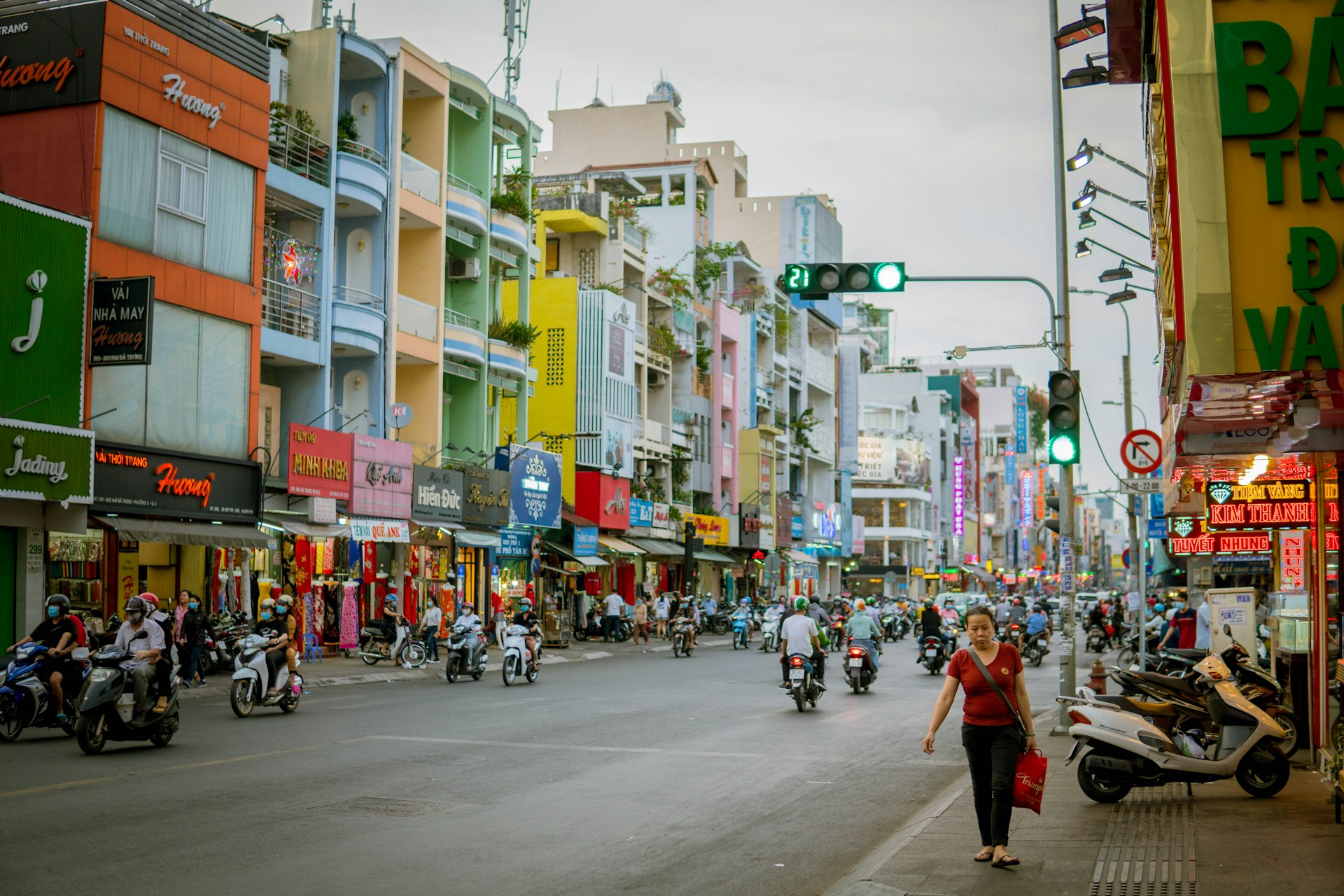
Building a social life in Vietnam as an expat takes more deliberate effort than most newcomers expect. Many Black expats arrive assuming the hard part will be paperwork or the heat. For many, the harder part is the quiet stretch after work, when the phone stays silent and every invitation seems to come from someone who already knows everyone. Friendships here do not appear on their own. They get built through recurring events, the right groups, and a few people who become your regular crew. This guide covers where to look in Saigon and beyond, what to skip, and how to turn a first meetup into friendships that last past your first year.
Table of Contents
Quick Takeaways
Key Insight | Explanation |
|---|---|
Pick two recurring events, not ten | Showing up to the same trivia night or run club every week builds recognition far faster than sampling one-off meetups. |
Join groups before you need them | Groups with active chats and regular meetups become your default network, so find them in the first month, not the fourth. |
Treat Black expat connections as a complement | Mixed events widen your network, while a smaller circle gives you people who understand the experience of being noticed. |
Learn a few phrases before you need them | Greetings and thank-you phrases in Vietnamese change how shopkeepers, neighbors, and older residents respond to you. |
Always ask for the second hangout | Most new friendships stall after one meeting. A specific invitation, such as coffee on Saturday, gives the relationship a next step. |
Put social time on the calendar | Recurring plans set in your first 60 days survive busy work weeks. Plans left to chance usually disappear. |
Why the First Year Feels Lonely
Most people who move to Vietnam for work get a built-in social circle for about three months. Colleagues invite you to lunch, the office organizes welcome drinks, and your calendar looks full. Then the novelty wears off, the work week gets heavier, and the invitations slow down. That drop-off is normal, and it is the point where most expats decide whether they will build a life here or simply get through the contract.

The Work Friend Trap
Colleagues are the easiest people to meet, which is why many newcomers stop looking after the first month. The problem is that work friendships often end when a contract does, and they tend to revolve around office gossip and shared complaints. In practice, use colleagues as a starting point, then go find people whose lives do not revolve around your job.
Arrival Is Not the Same as Settling
Most advice focuses on the first few weeks: a SIM card, an apartment, a bank account. Few people plan for month four, when the admin tasks are finished and the free evenings arrive. Put two recurring social commitments on your calendar before that point, even if they feel forced at the start.
For Black expats, the first year can include a second layer of adjustment. You may be the only person of your background in a room, and that can turn an introductory event into a performance rather than a conversation. Knowing this in advance helps you decide whether to look for mixed rooms, dedicated spaces, or both.
Expat Events in Saigon
Ho Chi Minh City, still called Saigon by many residents and expats, has a steady calendar of events aimed at foreigners. You will find language exchanges, networking nights, trivia, run clubs, volunteer days, and creative meetups. The format matters more than the label. A recurring event with the same regulars is worth more than a flashy launch party you attend once.
Recurring Events Beat One-Off Nights
Weekly and monthly events give you repetition, and repetition is how acquaintances become friends. If you attend the same trivia night four times, the host and a few regulars will start saying hello by the fourth visit. A single big party rarely gets you past small talk. Pick one recurring event in your first two weeks and commit to it for at least two months before you judge it.
Reading an Event Listing Before You Go
Listings often tell you more than the headline. Look for a clear start time, a stated venue, a host who answers questions, and photos of attendees that repeat across months. An event with an organizer who posts regularly is usually worth your evening more than one with a polished poster and no history. Check the cost and the ride home before you commit, since transport options can thin out late at night.
Pro tip: Arrive 15 minutes early to any small event. The first few people in the room are usually the organizers and regulars, and that is the easiest way to start a real conversation.
Joining Expat and Interest Groups
Group platforms are where many newcomers find their first events. Meetup, for example, has a directory of Vietnam expat groups that describe themselves as open to people of any nationality. That openness is useful, but it also means quality varies widely, so a listing alone will not tell you much.
Where Group Listings Live
Start with the big platforms, then check Facebook groups, messaging communities, and alumni networks with Vietnam chapters. Many interest groups for running, hiking, board games, or language learning run on their own chat apps and never appear in a search. Ask a colleague or a regular at your favorite cafe which chats they use, because the best communities often spread by word of mouth.
Judging a Group Before You Join
Check how recently the group posted, how many members actually show up, and whether organizers make newcomers feel welcome. A group with thousands of members and no events in two months is less useful than a group of 40 that meets every Thursday. Look at the event photos too. If the same faces appear across several months, you have found a real core.
Friendships in a new city are built on repetition, not on one great night out.
Joining too many groups is a common mistake. People sign up for a dozen chats, mute them all, and attend nothing. Pick two that fit your schedule and interests, then attend at least three times before you decide whether they are working.
Finding Your Own Black Expat Community
Mixed expat events are useful for networking, but many Black expats also want a space where they do not have to explain their experience from scratch. A dedicated circle, even a small one, gives you people who understand the questions you get, the comments you hear, and the cultural references that fall flat when you are the only one in the room. Finding that circle usually takes more initiative than joining a general group.

Starting Small With a Shared Table
The easiest way to start is to host. A dinner for six, a watch party for a sports match, or a cookout in a rented space gives people a reason to meet. Post the invitation in the channels where Black expats already talk, and set a clear time and place. Small groups tend to last longer than large ones because everyone has to contribute to the conversation.
Why Shared History Matters
Shared history gives conversation a foundation. The National Museum of African American History and Culture notes that the dap, a combination of hand and body gestures, dates back to Black soldiers in Vietnam, who used it to greet one another and show solidarity. Context like this gives you something to talk about beyond the usual "where are you from" exchange. TIME's reporting on Black Vietnam veterans also describes how many formed lasting friendships across racial lines while fighting overseas, even though they faced inequities and racist treatment both during and after the war. That history is a reminder that connection across difference has existed here for decades, and that it has always involved friction.
Pro tip: Keep the first gathering low pressure. Name a clear purpose, such as a meal or a game night, so people know what to expect and can leave when they want.
Comparing Ways to Meet People
Each approach has trade-offs. Use the table to decide where to spend your first month, then add a second approach once your calendar has room.
Approach | Best For | Main Drawback |
|---|---|---|
Recurring expat meetups | Quick networking and meeting people from many countries | Large rooms can stay surface-level, and attendance changes from week to week |
Interest-based clubs (running, language exchange, sports) | Friendships built around a shared activity you repeat | Conversation may stay focused on the activity, and schedules can be strict |
Dedicated Black expat circles (small dinners, private chats) | Shared experiences and easier conversation from the start | Smaller and less predictable, and often depends on one or two organizers |
In practice, the people who build a solid network use two of these approaches. An interest club provides repeated contact, and a smaller circle provides depth. Mixed events can help you find both, so treat them as a scouting tool rather than the destination.
Language, Small Talk, and Real Friendships
Language is not a requirement for a social life, but a few words change how locals and older residents respond to you. Learn greetings, thank-you phrases, and how to order food and ask prices. Even imperfect effort tends to earn warmer responses in shops, cafes, and neighborhood gatherings.
Phrases That Open Conversations
Start with xin chào for hello and cảm ơn for thank you, then learn a line that admits you are still learning. People often respond with patience and encouragement when they hear it. Practice with the staff at a regular cafe, since repetition in the same place is what makes the words stick.
Moving From Acquaintance to Friend
Most friendships fade after the first meeting because nobody proposes a second one. Before you leave any event, invite one person to something specific, like coffee on Saturday or a match next week. A concrete plan works far better than "we should hang out sometime." Within a few months, the people who say yes to two or three invitations are usually the ones who become your regular group.
Race, Attention, and Belonging
Expect curiosity. In some social settings, you may be the first Black person someone has spoken with at length, and that can lead to stares, photos, or questions about your hair or skin. Some of this comes from genuine curiosity, and some of it is unwelcome. Decide before you go out how much attention you are willing to handle that night.
Handling Curiosity Without Losing Your Evening
Short, friendly answers work well in most situations. If a question crosses a line, redirect with a joke or change the subject, since you do not owe anyone a lecture. If attention becomes persistent or uncomfortable, leave. Tell a friend where you are going and arrange your ride home in advance.
Choosing Where to Spend Your Energy
Some events will be a good use of your energy and others will feel like a performance. Notice which rooms leave you energized and which leave you drained. Over a few months, you will know which venues and groups to return to and which to drop. Dropping an event that drains you is a reasonable decision, not a failure.
Keeping Momentum Over Time
Social life in Vietnam tends to fade when people stop planning ahead. Expats leave for holidays, friends rotate out, and the group chat goes quiet. The people who stay connected usually have a few standing routines and a plan for the moments when routines break. Treat your social calendar with the same discipline you give work tasks.

Hosting Your Own Gathering
After six months, you will know enough people to host. A regular Sunday lunch, a board game night, or a monthly dinner with rotating hosts keeps people connected without a formal organizer. Hosting also shifts you from attendee to organizer, which is where most lasting communities come from.
Planning Around Tet and the Year Ahead
As this year closes, look at next year's calendar and mark Tet, the Lunar New Year, which typically falls in late January or February. Many expats travel home or away during that stretch, and the gap can undo months of effort. Plan a gathering for those dates early, or ask a few friends who will stay in the city to join you.
Frequently Asked Questions
How long does it take to build a social life in Vietnam?
Most people start feeling settled after three to six months of regular attendance at the same events or groups. The timeline is shorter if you host, volunteer, or join a sport that meets weekly.
Do I need to speak Vietnamese to make friends?
No, but basic greetings and courtesy phrases make conversations with locals and neighbors easier. Many expat friendships happen in English, especially in Saigon and Hanoi.
Are Black expat circles worth joining if I already attend mixed events?
Usually yes, because they offer a different kind of conversation. Mixed events widen your network, while a smaller circle gives you people who understand what it is like to be one of few Black people in a room.
How do I avoid expat events that feel like sales pitches?
Check whether the organizer shares content beyond promotions, whether attendees return, and whether the event has a purpose beyond networking. If most of the room seems to be selling something, leave after one visit.
What is the best way to turn a new contact into a close friend?
Choose one activity you repeat weekly, then invite the same person to something outside that activity within the first two months. Close friendships usually come from repeated time together, not from one good night.
Tell us in the comments what worked for you when you were building your social life in Vietnam, or what you wish you had known in your first few months.


Comments