Secondhand Shopping in Vietnam: Vintage Finds on a Budget
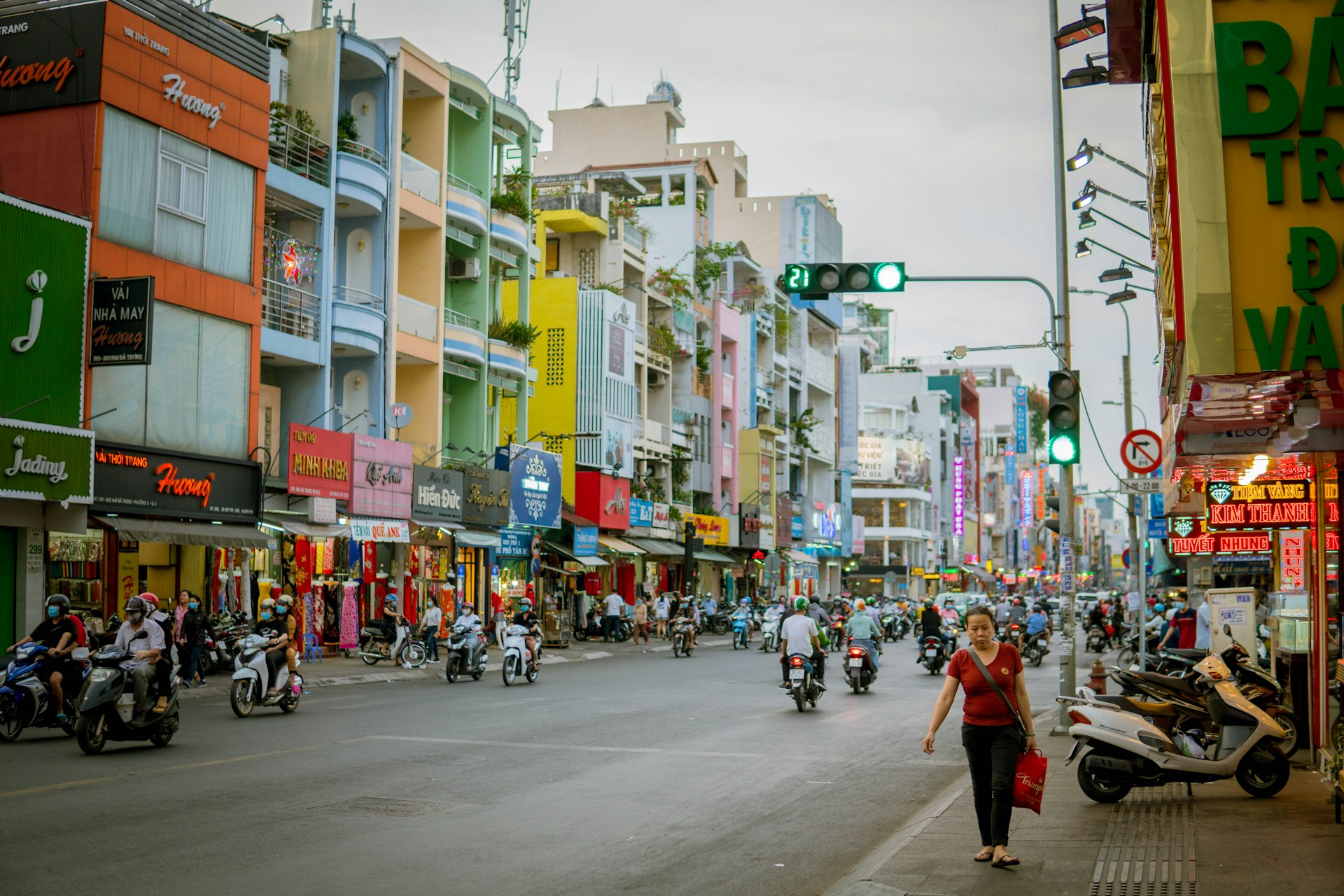
Vietnam is one of the easier places to build a wardrobe, a decor collection or a set of gifts without spending much, but most visitors never get past the tourist stalls. If you want secondhand shopping Vietnam style, you need to know which neighborhoods, shop types and bargaining habits separate a good find from an overpriced rack of faded tees. This guide covers where Black travelers can find vintage clothing, antiques and thrift pieces on a budget, what to check before you pay, and how to get your purchases home in one piece.
Table of Contents
Quick Takeaways
Key Insight | Explanation |
|---|---|
Match the shop type to your goal | Thrift shops suit clothing and streetwear, antique dealers suit decor and objects, and Sapa suits textiles and embroidery. |
Inspect before you negotiate | Check seams, zippers, underarms and hems first. A low price on a damaged piece is still an expensive mistake. |
Expect tourist pricing near main attractions | Stalls close to landmarks and station exits usually open higher than those a few streets back. |
Carry a tape measure and a garment that fits you | Vintage sizing rarely matches modern labels, so compare flat measurements against something you already wear. |
Open low and stay friendly | Negotiation is expected at stalls and antique dealers. Walking away calmly often brings the seller back with a better number. |
Confirm shipping before you buy bulky items | Furniture, ceramics and large textiles can cost more to ship than the item itself, so ask for a freight quote first. |
Why Vietnam Rewards Secondhand Hunters
Vietnam's secondhand scene is not one market. It is a mix of formal thrift shops, neighborhood resale counters, antique dealers and souvenir stalls that sell a blend of real vintage and newer goods. For a Black traveler working with a budget, the first skill is knowing which category you are walking into, because each one prices, negotiates and stocks differently.

Thrift shops versus antique dealers
Thrift shops tend to sort clothing, bags and household items by type, and many display prices on tags. Antique dealers deal in objects with a history, such as lacquerware, ceramics, old photographs, brass and furniture. Expect to negotiate with the second group and treat any tag as a starting point.
In practice, the best trips combine both. Spend the morning sorting through clothing, then browse a few antique shops in the afternoon so you can compare what you saw earlier. That habit keeps you from buying the first decorative piece that catches your eye.
Why the travel crowd changes the price
Tourist traffic is the main reason prices differ from one block to the next. A stall that sees a steady stream of foreigners learns quickly what visitors will pay, while a shop that serves local buyers is more likely to hold steady, lower prices. Avoiding tourist areas entirely is not the answer. Compare two or three shops before you commit to anything.
Thrift Stores in Saigon
Ho Chi Minh City is a practical place to start, because it offers the widest range of vintage shops and streetwear resellers you will find in one city. One Saigon guide describes Thriftshop Saigon as carrying all types of vintage, from big graphic tees to denim jackets and the occasional vintage football shirt or basketball jersey. That mix matters if you shop for streetwear, sportswear or graphic pieces from past decades.
The cheapest item in a thrift pile is rarely the best value. The piece that fits, has no damage and needs no alteration is almost always the real bargain.
What to inspect before you pay
Check the underarms, collar and hem first, since those areas show wear before anything else. Run zippers up and down, look closely at buttons and check the inside of jackets for odor or old repairs. Many shops will not take returns, so the inspection happens at the rack, not at your hotel.
Streetwear and sports pieces that sell fast
Graphic tees, denim jackets and sports jerseys are the categories that tend to move first. If one catches your eye, decide before you walk to the next rack. A jersey in your size may be the only one on the rail, and most sellers will not hold it while you think it over.
Pro tip: Photograph tags and measurements in the shop. If you cannot remember which size or fabric you liked after a long day, the photos will save you a return trip.
Vintage Markets and Antique Streets
Ho Chi Minh City also has antique-focused listings that are worth a half day if you collect objects rather than clothing. TripAdvisor's list of the city's antique stores includes Antique Street, Villa Royale Antiques and Tea Room, Grade B, Song Be Modern Vietnamese Antique Store and Nha Va among its entries. Listings change, so check current hours and stock before you plan a route around any one of them.
Reading an antique listing before you buy
Ask the dealer where the piece came from and whether it has been restored. A straight answer is a good sign, and a vague one tells you to slow down. Be especially careful with claims about age, because many items are made to look worn. Compare two similar pieces in two different shops before you decide what a fair price is.
Antique Street as a browsing day
Antique Street works best as a slow browse, not a single stop. Walk the length once without buying, note which styles appear in several shops and then return to the seller with the best condition for the money. Repeat visits often produce better prices than a rushed first offer, because dealers can see that you are serious.
Sapa and Souvenir Shopping
Sapa is a different kind of shopping trip. Textiles, embroidered bags and handmade pieces with traditional patterns are the draw, and the mix of genuine craft with tourist souvenirs makes quality hard to judge at a glance. A traveler post in a Vietnam travel group recommends a guesthouse for cheap clothing and souvenirs, and points to a souvenir shop on the left side of Sapa station as cheap. Treat those tips as starting points, since prices and stock change over time.

Textiles and embroidery worth checking
Look at the back of any embroidery first. Neat stitching on the reverse usually means the piece was made with care, while loose threads and glued trim point to mass production. Ask whether a bag or runner is hand-stitched, and weigh the answer carefully, since sellers sometimes use the word handmade loosely.
Avoiding the tourist-heavy stalls
Stalls nearest the station and the main walking paths see the most foreign traffic, and their prices reflect it. Walk a few streets away and compare the same item before you buy. If a seller will not let you look at the back of a piece, that tells you what you need to know about its quality.
Haggling Without Losing Your Budget
Haggling is part of the experience at many stalls. One budget travel guide to Vietnam lists refining the art of haggling as a core money-saving habit. The goal is not to win every argument. It is to pay a fair price for something you actually want, and to leave the seller willing to talk with you again.
How to open a negotiation
Open well below what you are willing to pay, but not so low that the seller stops taking you seriously. Ask the price, pause and then make a counteroffer. Most deals settle within two or three rounds, and the real skill is staying calm when the seller says no.
A common mistake is negotiating over an item you have already decided you cannot live without. Sellers can tell when you are hooked, and they will hold their price. Set your maximum before you pick the piece up.
Cash, small bills and when to pay by card
Bring small cash for stalls and antique dealers, because breaking a large note can be awkward for both sides. Card payments are more common in established shops than at street-level counters. Ask about any card fee before you pay, and keep your receipt for anything you may need to show later.
Pro tip: Set your budget in dong before you walk in. Converting prices in your head during a negotiation makes it easy to overpay on a small item that feels cheap.
Comparing Your Secondhand Options
Three options cover most of what Black travelers will look for: Saigon thrift shops, antique dealers and the textile and souvenir stalls of Sapa. Each has a different price structure and a different risk. The table below shows where each one fits your trip.
Option | Best for | Main risk |
|---|---|---|
Saigon thrift shops | Streetwear, graphic tees, denim and sports jerseys | Sizing and wear are hard to judge on a crowded rack |
Antique dealers and antique streets | Decor, ceramics, lacquerware and collectible objects | Reproductions presented as older pieces |
Sapa textile and souvenir stalls | Embroidered bags, textiles and handmade gifts | Tourist pricing and mass-produced items sold as handmade |
In practice, pick one primary category for each day. Trying to cover clothing, antiques and textiles in one afternoon usually leads to rushed decisions and the wrong purchase. A focused day also makes it easier to compare prices across shops.
Fit, Shipping and Getting Pieces Home
Most secondhand disappointments come from fit, not price. A jacket that looks perfect on the rack can feel tight through the shoulders once you are wearing it, so measure before you commit. Bring a tape measure and a garment that fits you well, and compare the piece laid flat rather than trusting the label.

Sizing runs differently on vintage
Vintage labels follow older size systems, and a medium from one era can fit noticeably differently from a modern medium. Measure pit to pit and shoulder to hem, then compare those numbers with a shirt you already own. Save them in your phone so you can check later, even when you are standing in a crowded shop.
Shipping home without losing your bargain
Ask the seller whether they pack and ship before you buy anything bulky. Furniture, large ceramics and framed pieces can cost more to send than they cost to buy, so get a written quote first. Keep receipts and packing details, and check your home country's rules on importing used goods before you pay for freight.
Pro tip: Wrap fragile items in clothing you plan to wear on the flight. It saves luggage space and gives you a second layer of protection without buying extra packing material.
Frequently Asked Questions
Is secondhand shopping in Vietnam safe for solo travelers?
Daytime shopping in busy, well-lit areas is generally straightforward. Keep valuables out of sight, use a bag that closes securely and avoid carrying large amounts of cash through crowded stalls.
Do I need to haggle at every secondhand shop?
No. Shops with printed price tags leave less room for negotiation, while stalls and antique dealers usually expect it. Ask politely before you start, and accept a no without pressing.
How can I tell if an antique is genuine?
No single check settles it. Look for consistent wear, ask about the piece's history and be skeptical of dramatic age claims. For a high-value item, a second opinion from an independent appraiser is the safer move.
Can I bring vintage clothing home without trouble?
Clothing is usually the simplest category to carry, but rules on importing used goods vary by country. Keep receipts, check your home country's guidance before you travel and avoid buying anything that needs special paperwork.
What size should I buy when shopping vintage?
Buy by measurement, not by label. Compare the garment's chest, shoulder and length with a piece that already fits you, and be honest about how you like clothing to sit.
Is Sapa a good place for souvenirs?
Yes, if you know what you are looking for. Textiles and embroidered items offer the best value, but check the stitching and compare prices across several shops before you buy.
Have you found a standout secondhand piece in Vietnam? Share the shop, the item and what you paid in the comments so other Black travelers can plan their own hunt.


Comments