Saigon Neighborhoods Guide: Where Black Travelers Stay
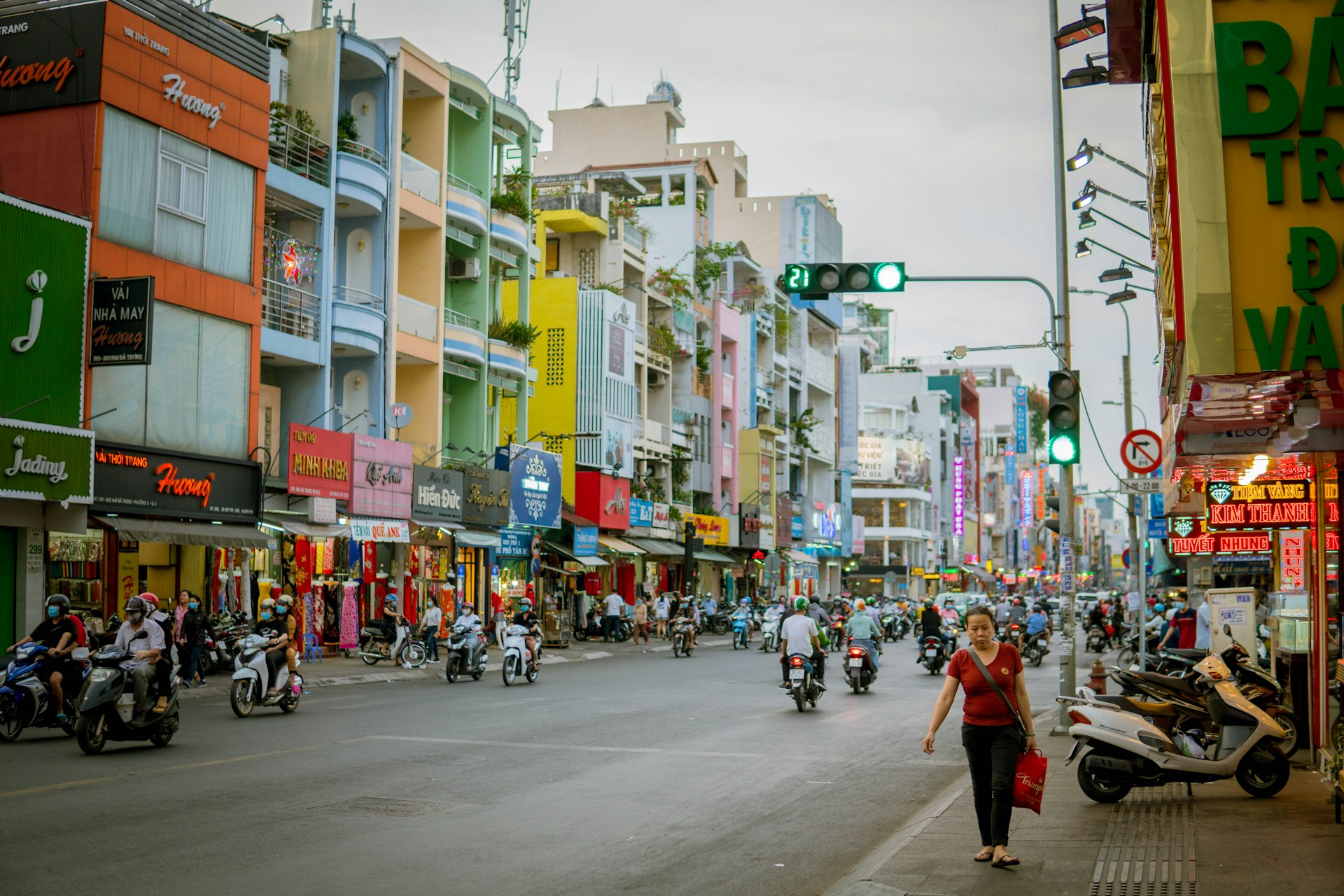
Where you sleep in Saigon, officially Ho Chi Minh City, shapes your trip more than almost any other booking decision. The city has dozens of districts with very different noise levels, expat infrastructure and daily rhythms, and the hotel photos rarely show you which is which. This Saigon neighborhoods guide breaks down the areas Black travelers and long-stay expats actually choose, why they choose them, and where we would steer you away. If you are working out where to stay in Ho Chi Minh City for the first time, start here.
Table of Contents
Quick Takeaways
Key Insight | Explanation |
|---|---|
Use District 1 for your first few nights | The area around Nguyen Hue Street, Dong Khoi Street and Ben Thanh Market keeps early sightseeing walkable, but expect a loud, touristy evening. |
Choose Thao Dien for stays of two weeks or more | It sits across the Saigon River in a calmer part of town and is widely described as the most popular area for expats to live. |
Treat your room's floor and facing as a sleep decision | Street-level motorbike noise in Districts 1 and 3 affects sleep, so ask for a higher floor and a room away from the main road. |
Pick Phu My Hung if you want a residential base | District 7 suits families and people who want quiet, with a Korean and Japanese expat community, but it is a longer trip to the historic core. |
Read reviews for specifics, not star ratings | Star ratings in Vietnam are largely self-reported, so look for recent reviews that mention noise, check-in details and the neighborhood itself. |
Test your neighborhood on a real commute | Before you commit to a long stay, time the trip to your work, meetings or favorite restaurants at the hour you will actually travel. |
District 1: Central, Loud, and Built for First Visits
District 1 is the city center most first-time visitors book, and for good reason. The area around Nguyen Hue Street, Dong Khoi Street and Ben Thanh Market puts the main sights, markets and restaurants within easy reach, and you can cover a lot of ground on foot in your first few days.

The trade-off is volume. Touristtolocal describes District 1 as central, fun to wander at night, highly touristy and high in noise. That combination suits a short first visit and wears thin after a week.
Where the Walkable Core Sits
Most of what first-timers want to see is within a short walk of the Nguyen Hue and Dong Khoi area. Ben Thanh Market anchors the southern side of the core, which makes it a practical base if your plans include food tours and early mornings at the market.
Walkability matters more here than in most cities because traffic is dense and crossing streets takes practice. Staying central means fewer rides and less time spent in the motorbike flow on your first days.
The Trade-Off at Night
Late evenings are lively, and they are also the reason many guests lose sleep. Sidewalk cafes spill onto the pavement, and motorbikes keep moving well after dinner. If you are a light sleeper, plan to ask for a room at the back of the building on a higher floor.
Pro tip: Book a District 1 room for the first three or four nights only, then move to a quieter district for the rest of your stay. You get the orientation of the center without paying for a week of street noise.
Who Should Skip It
If you are planning a stay longer than a few weeks, or you need a calm place to work, District 1 is hard to sustain. It suits visitors who want the city at full volume and do not mind returning to a quiet room to recover.
District 3: Central Without the Chaos
District 3 is the option many travelers find after their first District 1 stay. Touristtolocal describes it as central without the chaos, with a local feel, walkable streets and moderate noise. For a lot of guests, it is the district that feels most like a neighborhood rather than a destination.
It is also a common name in expat-written lists of the best districts to live in, which tells you it works for people who stay longer than a weekend.
What Walkable Means Here
In District 3, walkable means you can handle daily errands, a coffee run and a casual dinner without a ride. Many streets are lined with small shops and local cafes, which gives you a sense of daily life in Saigon that the tourist core does not offer.
Expect sidewalks to be occupied by parked and moving motorbikes, so walking is always a little active. The pace is slower than District 1, but you still need to watch every crossing.
Noise You Should Expect
Street-level noise is real in District 3, especially on busy main roads. A moderate rating does not mean quiet, so treat the room decision the same way you would in District 1. Ask about the floor and which side of the building faces the street before you confirm.
In practice, District 3 is a good fit for a stay of one to three weeks if you want to live near the center and still sleep reasonably well.
District 2 Thao Dien: The Expat Default
Thao Dien is the neighborhood most long-stay visitors mention first. It sits in District 2, across the Saigon River, in a slightly calmer part of town, and findawayabroad describes it as by far the most popular area for expats to live. Touristtolocal lists it as best for expats, longer stays and more comfortable rooms, with a relaxed, international feel and low noise.
The appeal is predictability. Cafes, international restaurants and residential streets have been shaped by a long-term foreign community, so the area is familiar to people who are working or studying in Saigon for months at a time.
Getting Across the River
The river is both the buffer and the inconvenience. Thao Dien feels separate from the District 1 center, which is exactly why it is quieter, but every trip into the core takes planning. If your days involve frequent visits to District 1 offices or meetings, time the crossing at rush hour before you sign a lease.
Long Stays and Apartment Rentals
For stays of two weeks or more, serviced apartments and short-term rentals are usually more practical than standard hotel rooms. You get a kitchen, a washing machine and a quieter room, which matters more by week three than it does on night one.
Verify the building's location on a map and ask the host which side of the building faces the street. A rental that looks calm in photos can still face a busy road.
District 7 Phu My Hung: Quiet and Residential
District 7 is the most residential option on this list. Touristtolocal describes Phu My Hung as residential, with a Korean and Japanese expat community, a low noise level and a clear fit for families and people who want quiet. If you want to come home to calm streets after a long day, this is where that happens.
The cost of that calm is distance. Phu My Hung is a longer trip from the historic core, so it works best if your plans center on the area itself, a family routine or work in the surrounding district.

Who Phu My Hung Suits
Families, remote workers with fixed hours and visitors who want a predictable base tend to do well here. You will find larger apartment buildings, shopping centers and parks that make daily life easier without constant motorbike traffic at the door.
The Trip Into the Center
Plan on regular rides into the center if you want to see the main attractions. In practice, that means you should set a rule for yourself: keep central visits to a few planned days per week, or the commute will become the most tiring part of your stay.
In quieter residential streets, a foreign visitor is more noticeable simply because fewer people walk them. That is not a reason to avoid the area, but it is a reason to pick a building with a reception desk and to learn a few phrases before you head out.
Binh Thanh: The Option Most Guides Skip
Binh Thanh is the district people rarely mention first, which is why it is worth a closer look. It appears in expat-written lists of the best districts to live in, so it is not a hidden secret, but it does not get the same attention as District 1 or Thao Dien. If you want to compare options beyond the three districts everyone names, Binh Thanh belongs on your list.
We would not book it sight unseen. Its real advantage depends on your route, so the decision should be based on how you will move around the city.
How to Test It Before Booking
Before you commit, map your three most common trips from Binh Thanh, including the time of day you will make them. Then check the same routes from Thao Dien and District 1. A district that looks equal on a map can feel very different at 6 p.m. on a weekday.
What to Ask Your Host
Ask about the building's location, the nearest main road, and whether the rooms face the street. Ask how far you are from the places you expect to use most, such as a gym, a market or your workplace. Specific answers tell you more than a rating does.
Street Noise, Floors, and Room Choice
The single most common mistake we see is treating a neighborhood as the whole decision. In Saigon, the room often matters more than the district. Touristtolocal notes that street-level noise in Districts 1 and 3 is a real factor in where you sleep, which is why the floor and orientation of your room matter so much.
The motorbike flow is one of the city's great features, and it is also the reason sleep becomes a daily planning issue. Sidewalks are used by traffic, cafes spread outward and horns carry at night.
The floor and facing of your room will shape your sleep in Saigon more than the star rating printed on the booking page.
Reading a Room Before You Commit
Ask which floor the room is on and whether it faces the main road or a courtyard. A higher floor and a room at the back of the building are the most reliable choices in the busy districts. Ask for a room number or photo from the window if you can, because the view from the window tells you more than the lobby photos.
Sidewalk Cafes and Late Sleep
The sidewalk cafe culture is part of the charm, and touristtolocal's writers loved it. But a table at a street corner at 10 p.m. is a different experience when you are trying to sleep. If you want the best of both, sleep in a quieter district and spend your evenings in the lively core.
Pro tip: Carry earplugs and a small fan or white noise option. They cost little and make a noisy District 1 or District 3 room far more manageable on your first week.
Vetting Hotels and Short-Term Listings
Hotel ratings in Vietnam need a skeptical read. Touristtolocal warns that star ratings are largely self-reported and that many hotel photos and reviews can be misleading. Our advice is to rely on the detail in the reviews, not the headline score.
Look for reviews from the last few months, because hotels change owners, renovate or add construction nearby. Reviews that mention noise, the bed, air conditioning, check-in staff and the neighborhood at night are far more useful than general praise.

Reading Reviews for Specifics
Skim the one-star and two-star reviews first, then look for patterns. If three different guests mention the same street noise, the problem is real. If reviews only praise the staff, ask the property directly about the questions the reviews leave open.
Traveler forums are also useful. A long thread in which Black visitors ask how they will be treated in Ho Chi Minh City shows how many readers care about the experience beyond the hotel itself, so it is worth reading alongside reviews.
Photos Versus Floor Plans
Wide-angle photos make small rooms look large and hide street-facing windows. Ask for a clear photo of the window view and confirm the room type. Many short-term rentals list the same building under several names, so match the address before you pay.
Getting Around From Each Neighborhood
Your neighborhood sets your daily transport pattern, and the pattern affects your budget and energy more than most travelers expect. A central base means short walks and frequent short rides. A residential base means fewer trips but longer ones.
Ride-hailing apps are the default for most visitors, and they work across the city. Walking and motorbike taxis are useful for short trips, but confirm the fare before you get on, and keep your phone close during busy traffic.
Ride-Hailing Versus Walking
In District 1 and District 3, many errands are walkable, so you can save rides for the trips that really need them. In Thao Dien and Phu My Hung, most trips require a car or app ride, so plan for that cost in your weekly budget.
Choosing a Base for Your Work Day
If you work remotely, pick a neighborhood based on where your meetings happen and where you want to spend evenings. A base near a cafe or coworking space you like will matter more than a view. Test the commute at the hour you will actually leave the apartment.
Comparison: District 1, Thao Dien, and Phu My Hung
The three areas most Black travelers and expats weigh against each other are District 1, Thao Dien and Phu My Hung. Each one serves a different kind of stay, and the right choice depends on how long you are staying and what you plan to do each day.
Neighborhood | Best Fit | Main Trade-Off |
|---|---|---|
District 1 (central core) | First visits of a few nights, evenings out and walkable sightseeing | High noise and a heavily touristy feel that wears on longer stays |
District 2, Thao Dien | Stays of two weeks or more with a calmer, international feel | Crossing the Saigon River adds time to every trip into the center |
District 7, Phu My Hung | Families and people who want a quiet residential base | A longer trip to the historic core and more reliance on rides |
Our practical rule is simple: book the center for the first few nights, move to Thao Dien or Phu My Hung for longer stays, and only pick a residential base if you have a reason to spend most of your days there.
Frequently Asked Questions
Which Saigon neighborhood is best for a first-time visitor?
District 1 is the best starting point for a first visit of a few nights. It puts the main sights, markets and restaurants close together, and you can plan most early days on foot. Plan to move to a quieter district if you stay longer.
Is Thao Dien a good area for a long stay?
Yes, for most people staying two weeks or more. Findawayabroad describes it as the most popular area for expats to live, and it offers a calmer setting than the center. The main drawback is the trip across the Saigon River to central districts.
How do I avoid a noisy hotel room in Ho Chi Minh City?
Ask for a higher floor and a room that faces away from the main road, and confirm this with the property before you pay. Earplugs and a fan or white noise option help as well. In busy districts, the room decision matters as much as the neighborhood.
Is Phu My Hung too far from the rest of the city?
It is farther from the historic core, so it is not ideal for people who want to be in the middle of everything. It works well if you want a quiet residential base, have family needs or work in the surrounding area. Plan your central visits in advance to keep commute time under control.
Are star ratings reliable when booking hotels in Vietnam?
Not on their own. Touristtolocal notes that star ratings are largely self-reported, so the detail in recent reviews is more useful. Look for mentions of noise, staff, air conditioning and the neighborhood at night.
Tell us which Saigon neighborhood you stayed in or are choosing between, and what it was really like at night, in the comments below.
We would love your feedback and any insights you would share with others. What perspective would you add?
References
First-timers guide to choosing a district and hotel in Ho Chi Minh City
A local's picks of favorite neighborhoods and hotels in Ho Chi Minh City
Expat-written overview of the best districts to live in Ho Chi Minh City
Neighborhood overview covering where to stay and live in Ho Chi Minh City
Traveler forum thread from Black visitors asking about their experience in Ho Chi Minh City


Comments