Hoi An Street Food Guide for Black Travelers: What to Eat
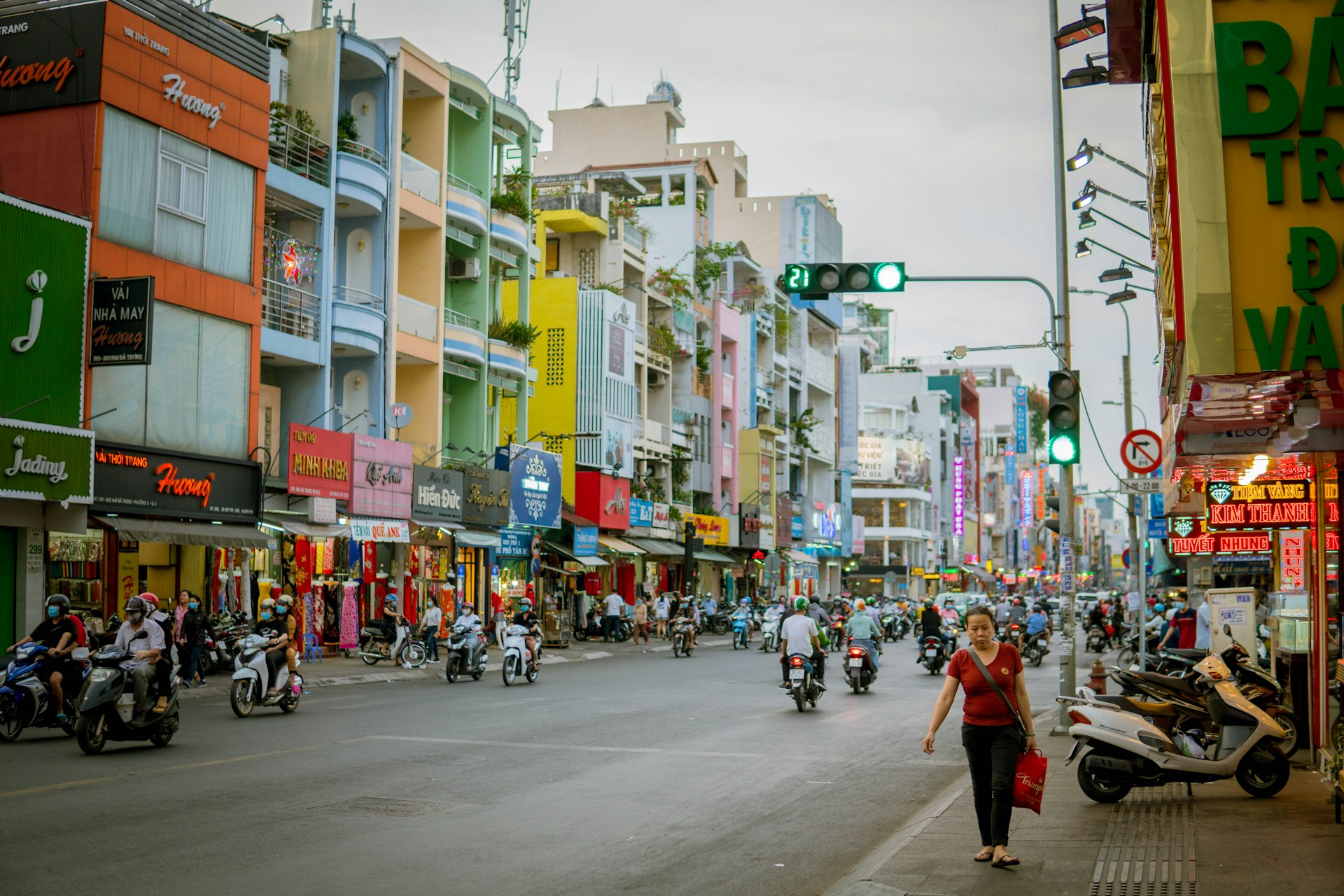
Hoi An street food is the reason many travelers end up staying longer than planned. The ancient town has lanterns, tailors, and riverside bars, but the best value is found on plastic stools at the edge of the old town. For Black travelers, the real questions are less about whether the food is good and more about what to order, where to sit, and which dishes are worth your money. This guide covers the dishes that define Hoi An, the types of places that serve them, and the practical details that make eating alone or in a group comfortable.
Table of Contents
Quick Takeaways
Key Insight | Explanation |
|---|---|
Walk outward from the old town | The upscale restaurants inside the ancient town charge more. One widely read Hoi An food guide, Dishe, places its street food picks within about a 15 minute walk of the old town. |
Order banh mi where the line is longest | A long line usually means fast turnover and fresh bread. Dishe reports that Banh My Phuong moves about 3,000 sandwiches a day. |
Taste Tuong At before you pour it | This Hoi An garlic chili sauce, made with sesame, peanuts, and local chilis, is strong. A small spoonful goes a long way. |
Try cao lau at least once | Mismatched Passports lists cao lau as a traditional dish found only in Hoi An, so it is the dish that tells you where you are. |
Carry small notes | When Dishe wrote its guide, many dishes cost around $1 to $2. Prices change, so check current menus, and keep small bills ready. |
Book one guided tour early in your trip | Tripadvisor lists many Hoi An food tours led by local guides. A good first tour teaches you dish names so you can order alone later. |
Why Hoi An Street Food Is Different
Hoi An is a small city, and that is part of its advantage. The ancient town is full of restaurants built for visitors, but many of the dishes locals eat most often are sold from carts, stalls, and small storefronts just outside that core. The Dishe guide says its recommendations sit within about a 15 minute walk of the old town, and at the time it was written, many of them cost only a dollar or two.

The practical lesson is simple. Spend your first evening in the old town for the lanterns and atmosphere, then walk outward for your meals. You will pay less, eat faster, and have more chances to talk with the people cooking your food. A common mistake is choosing a restaurant from a glossy list and skipping the row of small stalls a few minutes away.
Reading a Stall Before You Sit Down
Good stalls usually do a few things well. A vendor selling banh mi may also sell noodles, but the best ones keep the menu short. A simple board, a handful of regulars, and a steady flow of takeaway orders are better signs than a laminated photo menu.
Popular dishes can sell out, so arriving earlier in the evening gives you more choice. Stalls that close when the pot runs dry are part of the local rhythm, not a sign that something is wrong.
Pro tip: Walk past the stall once before sitting down. Watch what locals are eating, then point to it. Pointing works almost everywhere in Hoi An and saves you from guessing at a menu you cannot read.
Hoi An Tuong At: The Sauce You Will Want on Everything
Tuong At is a garlic chili sauce, but the Hoi An version is not the bottle you already know. The Dishe guide describes it as ground sesame and peanuts mixed with local chilis harvested at peak flavor, a combination it calls unlike anything else. Tuong At is the sauce that makes Hoi An's noodles and sandwiches taste like Hoi An.
The condiment on the table often tells you more about a town's food than the menu does.
Using Tuong At Without Overpowering Your Bowl
Spoon a small amount onto your food and taste before you add more. The sauce is strong enough to change a dish, so a little goes further than you expect. Start with a thin layer on banh mi or noodles, then decide if you want more.
Asking for Less Heat
If you are sensitive to spice, say so before the food arrives. Many vendors will set chili and sauce on the side if you ask, which gives you control over each bite. You can say khong cay, meaning not spicy, and point to the chili jar.
Pro tip: Pack a small pack of tissues or wet wipes. Sauces, grilled meats, and noodle broths get messy quickly, and you will want clean hands before walking the narrow lanes.
Banh Mi in Hoi An: Where to Eat It
Banh mi is sold across Vietnam, but Hoi An is where you should eat it. The Dishe guide notes that locals consider Hoi An's bread among the best in the country, and it points to the meat and sauces as the other reasons the local version stands out. The baguette is crisp, the filling is layered, and the sauce ties it together.
Banh My Phuong is the best-known name in town. Dishe reports that the shop moves about 3,000 sandwiches a day, so the line is long and the turnover is fast. The line moves faster than it looks, and waiting in it is part of the experience.
Ordering at a Busy Counter
Menus at busy banh mi shops can look confusing, and that is normal. One writer in the Dishe guide found the first item on the menu puzzling, and then tasted the sandwiches anyway. Point at a sandwich, or say banh mi, then name the filling you want.
Eating It While It Is Crisp
Eat banh mi within a few minutes of buying it. The crust softens quickly in Hoi An's humidity, and the difference is obvious. Find a low stool nearby or take the sandwich to a quiet corner rather than carrying it far.
Cao Lau and Mi Quang: The Central Noodle Dishes
Cao lau is the dish most people mean when they ask what to eat in Hoi An. Mismatched Passports describes it as a traditional dish found only in Hoi An, and The Kitchen Paper says its noodles are meatier, yellowish, and cloudy than other noodles. If you only order one local noodle dish, make it this one.

Cao Lau: Order It Once, Then Compare
Expect slices of pork and fresh greens over the noodles, with the noodles doing most of the work. Taste the bowl before adding anything, then season with lime, herbs, or chili to your liking. Eating it hot is the only way to get the full texture.
Mi Quang: The Second Noodle to Try
Mi quang appears on the same menus as cao lau, and it is a good second order. It comes with less broth than most noodle soups, so it feels more like a meal of toppings and noodles. Order both on different days and compare them side by side.
White Rose Dumplings and Wontons
White rose dumplings are one of the specialties that many Hoi An restaurant guides, including Midnight Blue Elephant, recommend trying. They are a delicate, translucent dumpling wrapped around a filling, served with a dipping sauce and crispy shallots. They are easy to miss if you only walk the stalls, so ask about them if you see them on a menu.
Where Dumplings Show Up
Dumplings are often served in restaurants rather than on the street, so you may need to step inside to try them. A plate to share is the best way to taste them without ordering too much. Pair them with a cold drink, and you have a light meal that does not feel heavy.
Wontons as a Gentle Starting Point
Wontons are a good first order if you are unsure about heavier noodle dishes. They are simple, comforting, and easy to share. If you are with someone who has never tried Vietnamese food, this is a low-risk way to start the conversation about what to order next.
Bun Thit Nuong and Grilled Meat Noodles
Bun thit nuong, or grilled meat noodles, is a dish Mismatched Passports lists among its must-try foods in Hoi An. It is grilled pork served over rice vermicelli with herbs, pickles, and a fish sauce dressing. The smoke from the grill is what makes it stand out, and it is one of the easiest dishes to find around the old town.
Why It Works for Solo Diners
Bowls arrive quickly and are easy to eat on a small stool. For a solo traveler, this is often the most comfortable order, since it does not require sharing or a long wait. You can eat it at your own pace and watch the street.
Adjusting the Bowl to Your Taste
Ask for less fish sauce if the dressing feels strong. You can also request extra herbs or no chili. Vendors tend to be flexible when the request is simple and polite.
Where to Eat: Stalls, Night Markets, or Food Tours
Your options fall into three broad groups. Each suits a different budget and comfort level, and the best trip usually uses at least two of them. The table below compares what each one does well and where it can frustrate you.
Option | Best For | Watch Out For |
|---|---|---|
Street stalls at the edge of the old town | Low prices, quick meals, and trying local dishes at their source | Small seating and crowds at peak hours. Choose stalls with steady turnover. |
Night markets and food clusters | Sampling several dishes in one visit and comparing options | Harder to judge cleanliness quickly. Look for busy stalls with fresh food and a clear cooking area. |
Guided food tours | First-time visitors who want context, dish names, and a steady pace | Tours vary in price, pace, and how many stops include real street food. Read recent reviews before booking. |
Choosing a Guided Tour
Tripadvisor lists a large set of Hoi An food tours with prices, which makes comparison easier. Look at the stop list before you book, and check that cao lau and banh mi are included if those are your priorities. Ask whether the guide can accommodate allergies or dietary needs before you pay.
Mixing Stalls and Tours in One Trip
Use a tour on your first or second night to learn dish names and vendor habits. After that, walk the stalls alone and order with confidence. Many travelers find that a single guided evening is enough to make the rest of the trip feel less intimidating.
Ordering, Paying, and Staying Comfortable
Many stall vendors will not speak much English, so learn a few phrases before you go. Saying ngon, meaning delicious, or cam on, meaning thank you, gets a smile in most places. Pointing works, but a few words make the exchange feel less like guesswork.
Cash, Small Notes, and Paying
Keep small notes on hand. Stalls may not be able to break large bills, and the low prices that make street food so appealing are easier to pay when you have the right change. Count your money before you sit down so you are not fumbling at the end of the meal.

Comfort, Attention, and Conversation
As a visible foreigner, you may get stares or calls from passersby, especially at stalls with few tourists. Sit where regulars sit, order simply, and most interactions end in a smile. If something feels off, you can walk to another stall, since there are many within a short distance.
Pro tip: Write the names of the dishes you want on a small card, in Vietnamese and English. Handing a card to a vendor cuts down on back and forth and makes it easier to order when the counter is busy.
Frequently Asked Questions
What is the best dish to eat first in Hoi An?
Start with banh mi. It is fast, affordable, and easy to order, and it gives you a sense of Hoi An's bread and sauces. Then move on to cao lau for a dish that is tied to the city.
Is Hoi An street food safe for Black travelers?
Food safety comes down to the same habits you would use anywhere. Choose busy stalls with fresh turnover, eat cooked food while it is hot, and be cautious with raw ingredients if your stomach is sensitive. Expect curiosity from vendors and passersby, and treat it as part of the experience.
How much does street food cost in Hoi An?
When the Dishe guide was written, many street dishes cost around $1 to $2. Prices change over time, so check current menus when you arrive and carry small bills.
Do I need to speak Vietnamese to order?
No, but a few phrases help a lot. Learn khong cay for not spicy and cam on for thank you, and use pointing as your backup.
What is the difference between cao lau and mi quang?
Cao lau is a Hoi An specialty, and The Kitchen Paper describes its noodles as meatier, yellowish, and cloudy. Mi quang comes with less broth than most noodle soups, so it feels more like a dish of noodles and toppings. Order both if you have time to compare.
Are Hoi An food tours worth the money?
For a first visit, they can be. A good guide explains dishes, names vendors, and helps you order with confidence. Compare stop lists and recent reviews before you book, since tours vary a lot.
Which Hoi An dish or stall surprised you most, and what would you tell the next Black traveler to order?


Comments