Grocery Shopping in Vietnam: Where Black Expats Find Food
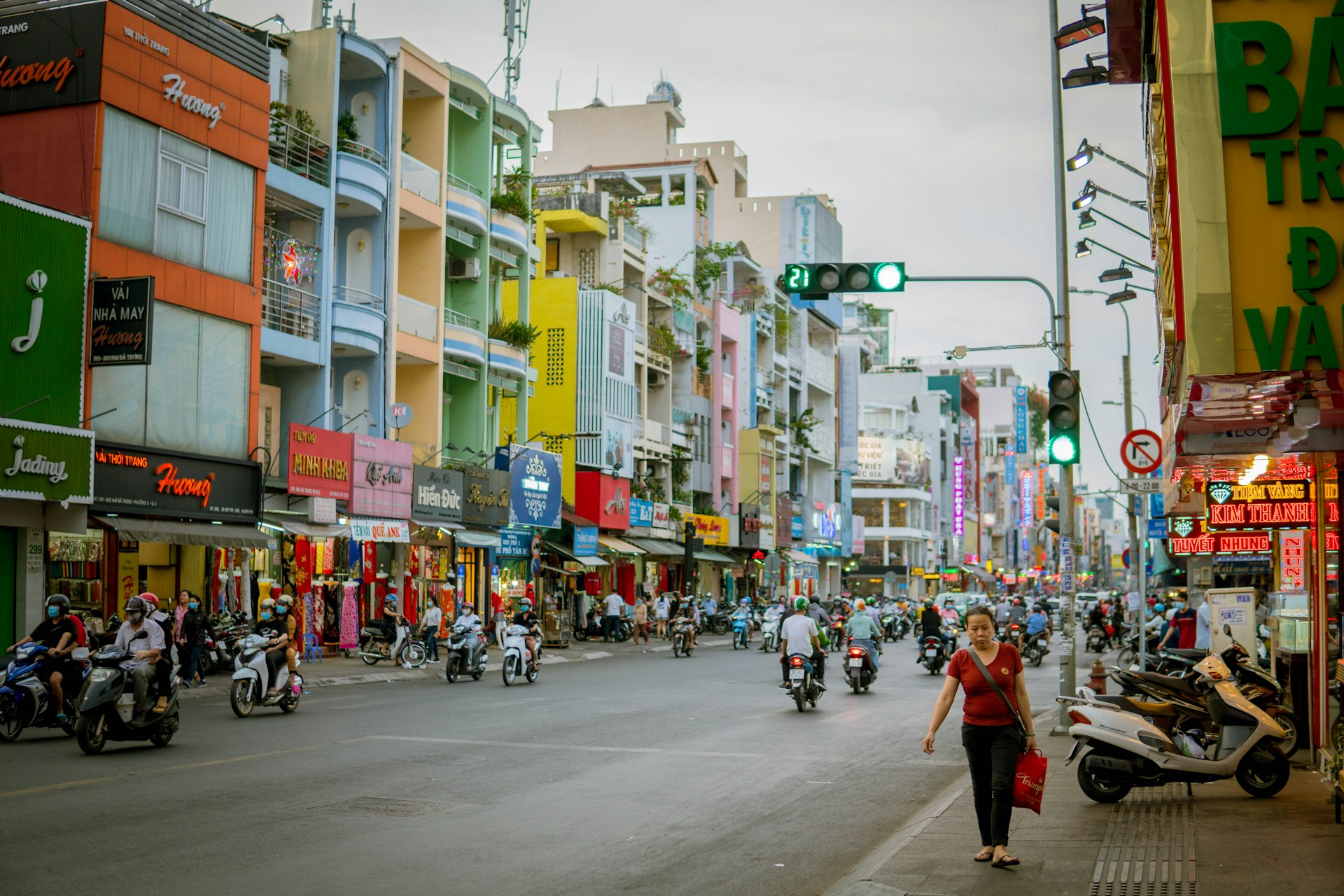
Most Black expats who move to Vietnam notice the same thing within the first week: the grocery store is full of food, but very little of it tastes like home. The shelves are built around Vietnamese cooking, and the ingredients that anchor a Southern, Caribbean, or West African kitchen often take real searching to find. Grocery shopping in Vietnam is manageable once you know which store formats carry what. This guide covers the supermarket chains, wet markets, imported goods, and the substitutions that keep a familiar kitchen running.
Table of Contents
Quick Takeaways
Key Insight | Explanation |
|---|---|
Start with the big chains for pantry staples | Large supermarkets reliably stock canned goods, flour, coconut milk, pasta, and seasoning blends, which cover a large share of a weekly list. |
Use wet markets for fresh produce | Cassava, sweet potatoes, taro, okra, and many greens are sold at local markets, often at lower prices than supermarkets. |
Expect no single store to carry everything | Stock rotates by branch and season, so keep two or three backup stores for each staple you cannot live without. |
Plan substitutions before you cook | Bird's eye chili, lime, dried shrimp, and fish sauce cover much of the heat, acidity, and savoriness that imported ingredients provide. |
Learn about ten Vietnamese food words | Knowing words for salt, sugar, flour, oil, fish sauce, and expiry date prevents expensive mistakes on packaged goods. |
Bring specialty spices in small amounts | Rules on food imports change, so check current guidance before travel and pack only small quantities of items you cannot replace locally. |
Supermarket Chains That Carry the Basics
The large chains are the most predictable place to start. Names you will see repeatedly across Vietnam include WinMart, Co-op Mart, Lotte Mart, AEON, Mega Market, and Emart, along with GO! (formerly Big C). Stock varies by branch and by season, so treat any single visit as a sample rather than a guarantee.

What the Large Formats Usually Stock
Hypermarket-style stores tend to have the widest imported aisles, including packaged snacks, canned goods, condiments, and sometimes frozen meat. Coconut milk, canned beans, pasta, flour, and seasoning blends are usually easy to find. Fresh bread and cheese are more hit-or-miss, so check before you plan a recipe around them.
A practical routine is to do one large weekly run for dry goods and frozen items. This keeps your trips short and your cart focused. Buy perishables more often in smaller amounts.
WinMart and the Neighborhood Chains
WinMart and WinMart+ are among the most widespread chains, and many expats end up using them for everyday restocking. Bach Hoa Xanh operates smaller neighborhood-format stores, which are useful for quick top-ups but rarely carry specialty items. Use the smaller formats for daily needs and the bigger stores for the weekly list.
Pro tip: Save a photo of your staple list in Vietnamese as well as English. Store layouts change often, and product names on local packaging rarely match the English words you have in your head.
Wet Markets and Fresh Produce
Wet markets, called chợ in Vietnamese, are where most local cooks buy fresh vegetables, herbs, fish, and meat. Produce is usually cheaper than in supermarkets, and vendors expect you to pick your own items and agree on a price. Going early in the morning gives you the best selection and the freshest stock.
Produce That Crosses Over
Several staples from Black diaspora kitchens already exist in Vietnam. Cassava (khoai mì) is common, and sweet potatoes, taro, okra, and a wide range of leafy greens are sold in most markets. Plantains appear now and then, but ripeness and quality vary a lot by vendor and season, so inspect them closely before you buy.
Cassava and taro can stand in for yam in many stews and mashes, though the texture is different. Boil them until they are fully soft before mashing, since undercooked cassava is unpleasant and can be unsafe. Peel it carefully and cut it into smaller pieces for faster cooking.
Chilies, Herbs, and Aromatics
Vietnamese bird's eye chilies work well where a recipe calls for Scotch bonnet heat, though they lack the fruitiness. Ginger, garlic, scallions, and lemongrass are everywhere and inexpensive. A common mistake is buying too much at once, because herbs wilt quickly in the humid heat. Buy in smaller amounts and shop more often.
Imported Goods and Specialty Shopping
Imported foods cost more than local equivalents, sometimes several times more, and the selection changes quickly. Expect to pay premium prices for anything shipped in, from tinned fish to spice blends. Build your budget around the items you truly cannot replace and let the rest flex.
Online Delivery and Import Platforms
Many shoppers now order through delivery apps and online grocers that pull from supermarket inventory. The advantage is access to items that are out of stock at the store down the street. The downside is that substitutions happen, so read product notes carefully before accepting a replacement.
Check the expiry date on the first delivery from any new platform. Packaging can be stored in warm conditions, and imported goods are the most likely to have short remaining shelf life when they arrive.
Expat Communities as a Source of Leads
Expat forums and social groups are often where people share which shops carry specific items. Treat these tips as leads rather than confirmed stock, because shelves rotate. Forum threads about Vietnamese food also show how far some local dishes can sit from Western palates, which is useful to know before you commit to a shared meal.
Stock is a moving target. The shop that had your favorite brand last month may not carry it next month, so the most reliable approach is to keep two backup stores for every staple you depend on.
Finding African and Caribbean Ingredients
In most cities, you should not expect a dedicated African or Caribbean grocery shop, and I would not plan a move around finding one. Most Black expats build a pantry from a mix of local markets, supermarkets, and occasional orders from abroad. Expect to rely on substitutions for many items and accept that some dishes will be adapted rather than exact.

Pantry Items You Can Usually Source Locally
Coconut milk, peanut butter, and tomato paste are usually available in supermarkets, though brands and sizes vary. Dried shrimp and fish sauce are local and inexpensive, and they add savory depth to many West African and Caribbean dishes. Stock a few bottles of each so you are not searching in the middle of a recipe.
Rice is widely sold, and many Vietnamese rice varieties behave differently from the long-grain rice used in many Caribbean and West African kitchens. Test a small batch before cooking for a crowd. Adjust water and cooking time based on what you see rather than relying on the package alone.
Items Worth Bringing or Ordering From Abroad
Specialty spices, certain flours, and some seasoning blends are worth bringing in small quantities, subject to customs rules. Vietnamese customs can restrict some food items, and the rules can change, so check official guidance from the Vietnamese embassy or consulate in your home country before you fly. Never assume that a food item is allowed because a friend brought it in last year.
When you order from abroad, plan for delays and extra costs. Choose items that keep well, such as dry spices and sealed sauces, and avoid anything that needs refrigeration in transit.
Substitutions That Actually Work
Substitution is the core skill for cooking familiar food in Vietnam. The goal is to match function, such as heat, acidity, or savoriness, rather than the exact flavor of an imported ingredient. Small swaps usually work better than trying to recreate a dish from memory.
Heat and Acidity Swaps
Bird's eye chili plus a squeeze of lime covers much of the heat and brightness that Scotch bonnet adds to a pepper sauce. Local chilies can be hotter than you expect, so start with a smaller amount than the recipe calls for. Add more heat at the end once you have tasted the dish.
Vinegar is widely available and works well when a recipe needs sharpness. Start with a teaspoon and taste again before adding more, because acid can overpower the rest of the seasoning quickly.
Smoky and Savory Replacements
Smoked seasonings can be hard to find, so use a small amount of finely ground dried shrimp or a dash of fish sauce for depth, then adjust the salt. Fish sauce is strong, so add it gradually and taste as you go. Many dishes that rely on smoked flavor taste fine with a little dried chili and a slow-cooked base.
Pro tip: Make a batch of your favorite spice blend at home and store it in a labeled jar. Many local packages list ingredients only in Vietnamese, so a pre-mixed blend protects you from buying the wrong product.
Reading Labels and Packaging in Vietnam
Labels are the biggest obstacle for many shoppers. Imported products often carry English text on the back, while local products may use only Vietnamese. Learning a handful of words saves a lot of guesswork at the shelf.
Vietnamese Words That Matter Most
Learn these terms first: muối (salt), đường (sugar), bột (flour or powder), dầu (oil), nước mắm (fish sauce), thịt (meat), cá (fish), and gà (chicken). Look for hạn sử dụng on every package, which marks the expiry date. These words cover most of what you will buy in a regular week.
Ingredient lists can be harder to read than the product name. If you cannot tell what is inside, ask a staff member or take a photo and check it later with a translation app. Do not guess with items you plan to feed to children or guests with allergies.
Checking Freshness at the Counter
Check dates on fresh-looking meat, dairy, and bread, since shelf life varies widely between products. Buy meat from counters where you can see the cut and ask for it to be wrapped fresh. If the date is hard to read, ask staff to show you the printed information.

Comparing Where to Buy Your Groceries
No single source covers everything. The table below compares the main options for a Black expat cooking at home, so you can decide where each part of your list belongs.
Shopping Option | Best For | Trade-offs |
|---|---|---|
Large supermarket chains | Dry goods, canned items, coconut milk, flour, and frozen staples in one trip | Limited fresh produce variety, and imported items can be expensive and inconsistent by branch |
Wet markets | Cassava, sweet potatoes, okra, greens, chilies, herbs, and fresh fish or meat at lower prices | Requires Vietnamese or pointing and gesturing, cash payment, and early visits for the best selection |
Imported goods and online delivery | Specialty spices, sealed sauces, and items out of stock at local stores | Highest prices, substitutions are common, and shelf life must be checked on arrival |
My default routine is a weekly supermarket run for pantry goods, a market visit for fresh produce, and a monthly order for anything specialty. That split keeps costs predictable and reduces the number of times a missing item derails a meal plan.
Frequently Asked Questions
Can I find African food ingredients in Vietnam?
Some items are available, but most people rely on a mix of local produce, supermarket staples, and occasional orders from abroad. Cassava, sweet potatoes, okra, and chilies are common at markets, while specialty spices and some flours usually need to be sourced separately.
Which supermarket chain is best for expats?
There is no single best chain, because stock depends on the branch and the city. Larger formats such as Lotte Mart, AEON, and Emart tend to offer wider imported selections, while WinMart and neighborhood stores are useful for everyday restocking.
Do I need to speak Vietnamese to shop for groceries?
You can shop without it, but a few key words will save time and prevent mistakes. Learning the words for salt, sugar, flour, oil, and expiry date covers most of the confusion you will face on packaged goods.
Are wet markets workable for foreigners?
Yes, though the experience is different from a supermarket. Bring small bills, expect to agree on prices, and go early in the morning for the best produce. Most vendors are used to customers who are new to the market.
Can I bring food into Vietnam?
Customs rules for food can change and vary by item, so check official guidance from the Vietnamese embassy or consulate in your home country before you travel. Pack only small quantities of items you cannot replace locally, and do not assume a past experience applies to your trip.
How can I keep grocery costs down in Vietnam?
Buy local produce at markets, stock up on pantry items at larger supermarkets when they are on sale, and limit imported goods to the few items you truly need. Substituting local ingredients for familiar ones is the single biggest saving most expats find.
What is the one ingredient you have struggled to replace in Vietnam, and what did you use instead?



Comments