Cost of Living in Hanoi: A Realistic Monthly Budget
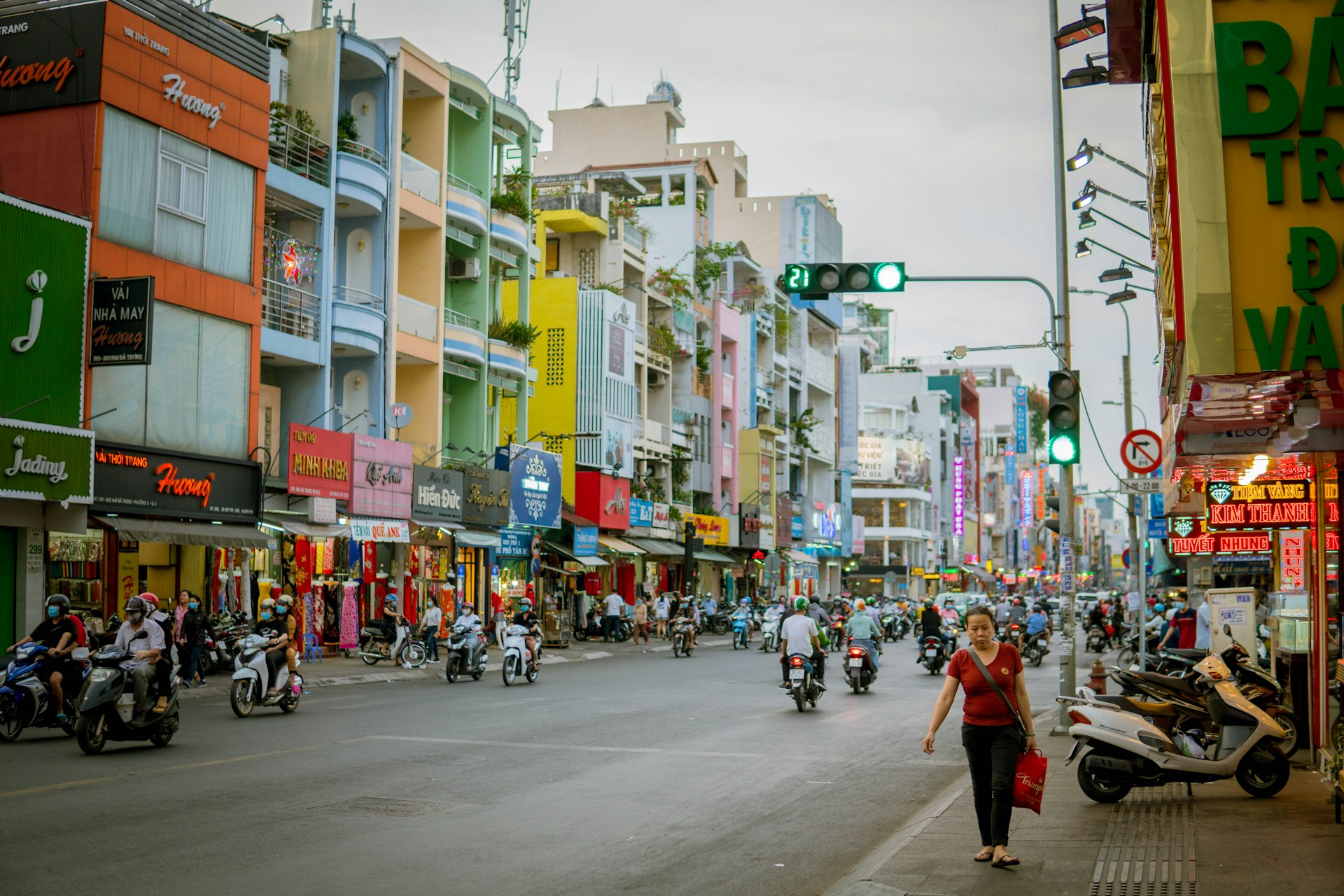
Search for cost of living Hanoi and you will find figures that range from frugal to fantasy, usually built on one month in one neighborhood. For Black travelers and expats weighing a move, the useful question is narrower: what does a normal month look like once you have signed a lease, bought a SIM card, and started eating lunch on a plastic stool? This guide breaks down the costs line by line, using published figures where they exist and clearly marked planning guidance where they do not. The goal is a budget you can test against your own receipts within two months.
Table of Contents
Quick Takeaways
Key Insight | Explanation |
|---|---|
Rent is the biggest swing factor | Numbeo figures cited by Western Union put a one-bedroom in Hanoi's city center at about 446.94 USD a month. Housing choices will move your total more than any other single decision. |
Hanoi is not cheaper on every line | In the same data, Hanoi rent was lower than Ho Chi Minh City, but a mid-range meal for two cost more in Hanoi (26.58 USD versus 19.49 USD). |
Budget for a deposit on top of rent | Your first month will include a deposit, possible agent fees, and setup costs that do not repeat. Keep them in a separate one-time column. |
Track two months of real receipts | Published averages are national or citywide. Your own pattern of eating out, riding, and shopping will decide your final number. |
Imported hair and skin products need their own line | Many products you rely on may be imported or hard to find, so they should not be hidden inside miscellaneous spending. |
Negotiate with a local speaker if you can | Quotes to foreigners often start higher than quotes to locals. A Vietnamese speaker or trusted local contact often helps close that gap. |
Monthly Budget Overview
Start with the national picture before you narrow the numbers to Hanoi. Western Union's 2026 comparison, drawing on Numbeo data, puts the average single-person cost in Vietnam at about 429.70 USD per month before housing, and a family of four at about 1,550.70 USD excluding rent. Those are national averages, so treat them as a sanity check rather than a Hanoi figure.

Western Union also reports that overall costs in Vietnam run about 61.3 percent lower than in the United States, with rent averaging about 74 percent less. That gap is real, but it hides a trap. Expats who convert every price from dollars and assume everything is cheap often get surprised by imported goods, air-conditioned cafes, and apartments that meet Western expectations.
Planning Figures for a Single Renter
Budget Line | What the Figure Is Based On | How to Plan It |
|---|---|---|
Rent, one-bedroom, city center | Numbeo figure of about 446.94 USD, cited by Western Union | Add a deposit and any agent fee to your first-month cash needs. |
Mid-range meal for two | Numbeo figure of about 26.58 USD in Hanoi | Multiply by how often you eat out to see the real monthly total. |
Single-person costs before housing | Numbeo national average of about 429.70 USD | Use as a starting benchmark only, since it is not a Hanoi-specific number. |
Groceries, transport, utilities, phone, insurance | No verified Hanoi figure in the sources used here | Track two months of receipts before you sign a long lease. |
Building Your Own Number From the Bottom Up Begin with rent, then add each line from the table and check it against your actual spending habits. Keep a separate buffer of at least one month of expenses in savings. Your first months will include one-time costs such as furniture, deposits, registration paperwork, and the learning curve of shopping in a new system. Pro tip: Set up a simple spreadsheet from day one with three columns: fixed monthly costs, variable costs, and one-time costs. Most people who underestimate their budget never separate the first two from the third.
Housing Costs and Rent Negotiation
Rent is where Hanoi's numbers look most favorable on paper. Numbeo's figures, as reported by Western Union, put a one-bedroom in the city center at about 446.94 USD, compared with 552.15 USD in Ho Chi Minh City and 474.86 USD in Da Nang. For that single line, Hanoi is the lowest of the three.
Why the Listed Price Can Still Surprise You
An average hides a wide range of quality. An older apartment on a busy street and a newer building with reliable water and a working elevator can differ sharply, and the cheapest listings often carry hidden costs. Those include electricity billed at a higher rate, unreliable hot water, or a deposit equal to several months of rent.
In practice, the first thing to check is what the monthly price includes. Ask directly which utilities, management fees, parking, and internet are billed on top.
Deposits, Contracts, and Negotiation
Plan for a deposit on top of your first month's rent, and get all terms in writing before you pay anything. Quotes to foreigners often start higher than what locals pay, so bring a Vietnamese speaker or a trusted local contact to viewings if you can. A polite, well-informed counteroffer is normal in this market.
Confirm how your deposit will be returned and under what conditions. A written inventory at move-in protects you from disputes at move-out. Keep copies of every payment receipt and the contract in one folder.
Pro tip: Ask for the electricity and water rates in writing before you sign. Unclear utility billing is one of the easiest ways for a budget to drift month after month.
Food and Daily Spending
Food is where Hanoi rewards people who shop like locals and punishes those who do not. Western Union notes that bread, eggs, and chicken are typically inexpensive in Vietnam, while milk may cost more depending on availability. Local markets and small neighborhood shops play a central role in everyday buying.
Markets, Shops, and Imported Groceries
Supermarkets that stock imported cheese, cereal, and packaged goods charge a premium for those items. Use markets and neighborhood shops for produce, eggs, and fresh meat, and keep imported shelves for the things you cannot replace. A short list of must-have imports makes it easier to decide when a splurge is worth it.
Eating Out: Mid-Range Meals and Where the Money Goes
The Numbeo mid-range meal figure for two in Hanoi, about 26.58 USD, is higher than the equivalent in Ho Chi Minh City at 19.49 USD and in Da Nang at 18.75 USD. Street food remains inexpensive, but if you eat at mid-range restaurants most nights, the total climbs faster than most newcomers expect. Eating out is the line most likely to grow without notice.
A practical rule helps. Cook or eat at local stalls on weekdays, and reserve sit-down meals for weekends or guests.
A food budget survives its first three months when it is a plan, not a guess.
Transport and Getting Around
Transport is one of the more flexible budget lines, which is why it is often underestimated. The choice between owning a motorbike, using ride-hailing apps, and taking taxis can shift your monthly total noticeably. The right option depends on where you live and how often you need to cross the city.

Motorbike Ownership Versus Ride-Hailing
Owning a motorbike is cheapest per trip once you have one, but registration, insurance, fuel, and maintenance all count. You also need to be comfortable riding in dense traffic, which not every newcomer is. Ride-hailing apps are convenient for short trips and rainy days, and they make costs easier to predict.
My advice for most new arrivals is to rely on apps for the first two months. Buy a bike only after you know your routine.
Airport Transfers and Longer Trips
Airport transfers are where first-time visitors tend to overpay. Agree on a fare or use a metered app before you leave the arrivals area. If friends or family plan to visit, add their transfers and any shared trips to your travel budget rather than treating them as surprise costs.
Utilities, Connectivity, and Health
These lines are small individually and easy to forget. Western Union's comparison covers utilities alongside housing, food, and transportation, so they belong in your baseline budget rather than in a vague miscellaneous bucket.
Electricity, Water, and Air Conditioning
Air conditioning is the main driver of household bills in Hanoi's hot months. Ask how the tariff changes with usage and how common-area charges are split among tenants. Keep your first two bills as a baseline, because the cost of cooling an apartment in summer will look very different from spring.
Mobile Data and Home Internet
Prepaid mobile data is inexpensive, but reliable home internet is often needed for remote work and is usually billed separately from rent. Confirm the contract length and whether a foreign-issued card can be used. Some services may ask for a local bank account, which can delay setup.
Health Insurance and Clinic Visits
Treat health coverage as a fixed cost, not a substitute for an emergency fund. Check what your policy covers at private clinics and hospitals in Hanoi, and save a list of the facilities your insurer accepts. Routine visits and pharmacy purchases are usually manageable, but a hospital admission can be a major expense if you are not covered.
Hair Care, Skincare, and Imported Essentials
This is the section most cost-of-living guides skip, and it is where many Black expats find the widest gap between expected and actual spending. Products for natural hair, specialty shampoos, and some skincare formulas are often imported. Imported items carry import costs and retail markups that never appear in national averages.
Stocking Up Before You Arrive
Bring a supply of core products for the first two to three months, packed in checked luggage where possible. Price out replacements before you leave so you know whether reordering from abroad or buying locally makes more sense. Some items may be hard to find at all, which makes a reserve supply more valuable than a small discount.
Finding Stylists and Specialists
Finding a stylist who understands your hair can take several appointments. Budget for a trial visit or two before committing to a regular schedule. Ask in expat and community groups which salons people use, and request a quote before any appointment so there are no surprises at the counter.
Pro tip: Create a separate line for personal care and imported products. If you file them under miscellaneous, you will consistently underestimate them.
Three Budget Approaches Compared
Most expats do not pick a single lifestyle. They mix choices across housing, food, and transport. Still, it helps to compare three clear approaches, because each one produces a different monthly total and a different kind of daily friction.

Which Approach Fits You
The local-style approach suits people who speak some Vietnamese, enjoy markets, and can handle negotiation. The mid-range approach suits people who want predictable Western-style groceries, app-based rides, and regular restaurant meals. The imported comfort approach suits people who need specific products and a familiar home setup, and accepts a higher, less predictable total.
Approach | Best Fit | Main Trade-off |
|---|---|---|
Local-style budget | Renters who speak some Vietnamese, shop at markets, and use motorbikes or apps selectively | Lower daily costs, but more time spent on negotiation and setup |
Mid-range expat budget | Renters who want familiar groceries, regular restaurant meals, and predictable rides | Easier day to day, but costs rise quickly and are harder to forecast |
Imported comfort budget | Those who depend on imported products and want a home that feels familiar | Fewer adjustments, but the largest and least predictable monthly total |
Adjusting After Two Months
Most people end up somewhere in the middle. Start with the mid-range approach for the first two months, use it to measure real spending, and then move specific lines toward the local-style approach where the savings justify the extra effort. Your receipts will tell you which lines are worth optimizing and which are not.
Frequently Asked Questions
How much does it cost to live in Hanoi per month?
There is no single figure that fits everyone. The national Numbeo average cited by Western Union is about 429.70 USD per month for a single person before housing, and a one-bedroom in Hanoi's city center is listed at about 446.94 USD in rent. Your total depends on how you eat, travel, and live, so track two months of receipts before you commit to a long lease.
Is Hanoi cheaper than Ho Chi Minh City?
It depends on the line item. In the Numbeo figures cited by Western Union, Hanoi's city-center one-bedroom rent is lower at 446.94 USD, compared with 552.15 USD in Ho Chi Minh City. A mid-range meal for two, however, was higher in Hanoi at 26.58 USD versus 19.49 USD.
Can I live in Hanoi on 500 USD a month?
International Living notes that many Westerners in Hanoi and Ho Chi Minh City get by on around 500 USD a month, but describes it as a no-frills lifestyle. If you want a Western-style apartment, imported groceries, or frequent restaurant meals, plan for a higher total.
Do I need a separate budget line for hair care and imported products?
Yes. Many hair and skincare products you rely on may be imported, and their prices do not reflect national averages. Give them their own line so they are tracked rather than hidden in miscellaneous spending.
How much should I save before moving to Hanoi?
Save enough to cover your first month's rent, any deposit, setup costs, and at least one additional month of living expenses as a buffer. The exact amount depends on the apartment you choose, so finalize the number once you have a written lease quote.
What did your first month in Hanoi actually cost compared with your original estimate, and which line surprised you most?



Comments