Vietnam for Black Americans: Safety & Culture Guide

Updated: Sep 26
Traveling abroad brings excitement and new experiences, but it also raises important questions about safety and cultural acceptance, especially for Black Americans. Vietnam, with its rich history, stunning landscapes, and affordable living, attracts many travelers and expats. Yet, the question remains: Are Black Americans safe in Vietnam? This post shares an honest look at what it’s like to travel and live in Vietnam as a Black person, based on firsthand experience.

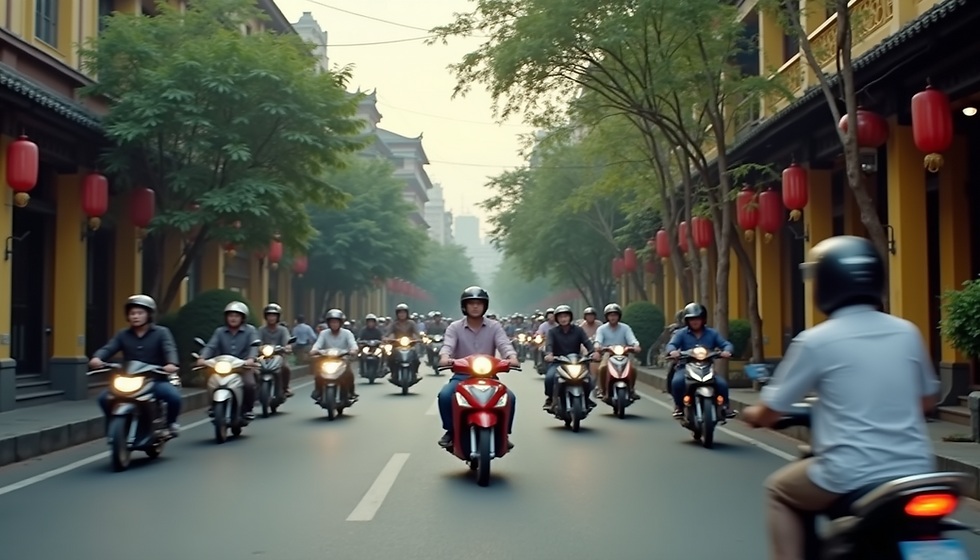
Street life in Ho Chi Minh City shows the vibrant daily rhythm of Vietnam.
First Impressions: Arrival and Initial Encounters
Landing in Vietnam as a Black American often comes with immediate curiosity from locals. In airports, markets, and tourist spots, people may stare or ask questions about your background. This curiosity is usually innocent and stems from limited exposure to Black travelers. It’s common to be approached for photos or conversations, which can feel flattering or intrusive depending on the situation.
In my experience, most interactions started with genuine interest rather than hostility. People wanted to know where I was from, what brought me to Vietnam, and how I found the country. This openness can be a positive way to connect, but it’s important to stay aware of your comfort level and set boundaries when needed.
How Locals Respond to Black Skin and Cultural Differences
Vietnam is a largely homogenous society, so differences in skin color and culture stand out. This can lead to a mix of reactions:
Curiosity and friendliness: Many locals are welcoming and eager to learn about different cultures. Smiles, greetings, and offers of help are common.
Unspoken biases: Some people may hold stereotypes or misconceptions about Black people, influenced by media or lack of exposure. These biases rarely translate into overt racism but can show up in subtle ways like surprise or hesitation.
Language barriers: Communication challenges sometimes amplify misunderstandings. Patience and clear communication help bridge gaps.
Understanding these dynamics helps prepare mentally for travel. Recognizing the difference between curiosity and bias allows you to respond calmly and confidently.
Safety for Black Americans and People of Color in Vietnam
Vietnam is generally safe for travelers, including Black Americans. Violent crime targeting tourists is rare, and many Black travelers report positive experiences. Still, safety is about more than crime statistics:
Street harassment: Some Black travelers mention occasional unwanted attention or comments. These moments are usually isolated and not physically threatening.
Scams and petty theft: Like any tourist destination, watch out for common scams and keep belongings secure.
Cultural respect: Showing respect for local customs and dressing modestly in certain areas helps avoid negative attention.
Trust your instincts and avoid risky situations, especially at night or in less crowded places. Connecting with local expat communities can provide support and advice.

Markets offer a glimpse into daily life and cultural exchange in Vietnam.
Unspoken Social Cues and Navigating Bias
Traveling as a Black person in Vietnam means learning to read social cues that might not be obvious at first:
Staring and double takes: These are common but usually not meant to offend. They reflect unfamiliarity rather than hostility.
Questions about origin: Be prepared for repeated questions about where you are from. Some may struggle to place Black people outside of Western countries.
Avoiding confrontation: Vietnamese culture values harmony and indirect communication. If you sense discomfort or bias, it’s often expressed subtly rather than openly.
Understanding these cues helps avoid misunderstandings and keeps interactions respectful.
Curiosity Versus Racism: Drawing the Line
It’s important to distinguish between curiosity and racism. Curiosity involves genuine interest and questions without malice. Racism involves prejudice, discrimination, or hostility based on race.
In Vietnam, most encounters fall into the curiosity category. However, some Black travelers have experienced microaggressions or stereotyping. These moments can be frustrating but are often not representative of the broader culture.
Responding with patience and education can turn these moments into opportunities for cultural exchange.
Advice for First-Time Black Travelers Visiting Vietnam
If you’re planning a trip to Vietnam as a Black American, here are some practical tips:
Research and connect: Join online groups or forums for Black travelers and expats in Vietnam. Hearing others’ experiences prepares you for what to expect.
Learn basic Vietnamese phrases: Simple greetings and polite expressions go a long way in building rapport.
Dress appropriately: Respect local customs, especially when visiting religious sites.
Stay aware of your surroundings: Like any travel destination, stay alert and avoid isolated areas after dark.
Embrace the experience: Be open to cultural exchange while protecting your personal boundaries.
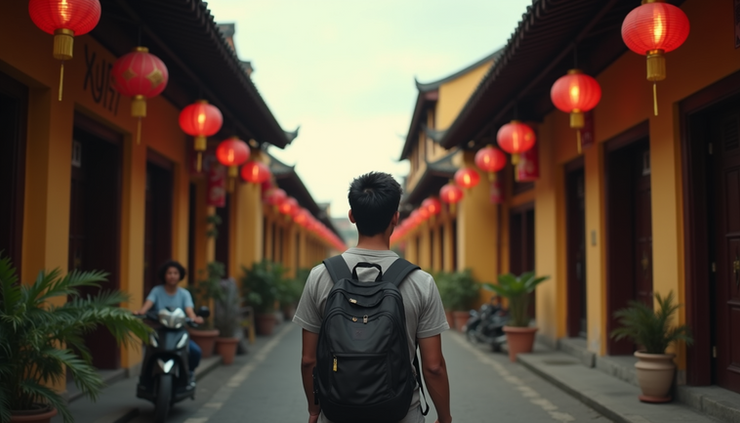
Exploring Hoi An’s lantern-lit streets offers a magical cultural experience.
Traveling to Vietnam as a Black American involves navigating a unique set of cultural and social dynamics. While curiosity from locals is common, outright hostility or danger is rare. Being prepared mentally and emotionally helps create a positive experience. Vietnam’s beauty and affordability make it a worthwhile destination, but understanding the realities of race and safety abroad empowers you to travel with confidence.
If you’ve traveled to Vietnam as a Black person, sharing your story helps build a community of support and knowledge. Your experience can guide others and enrich the conversation about the global Black travel experience.
Where to stay: Find hotels in Ho Chi Minh City on Klook (affiliate link, no extra cost to you)

Comments